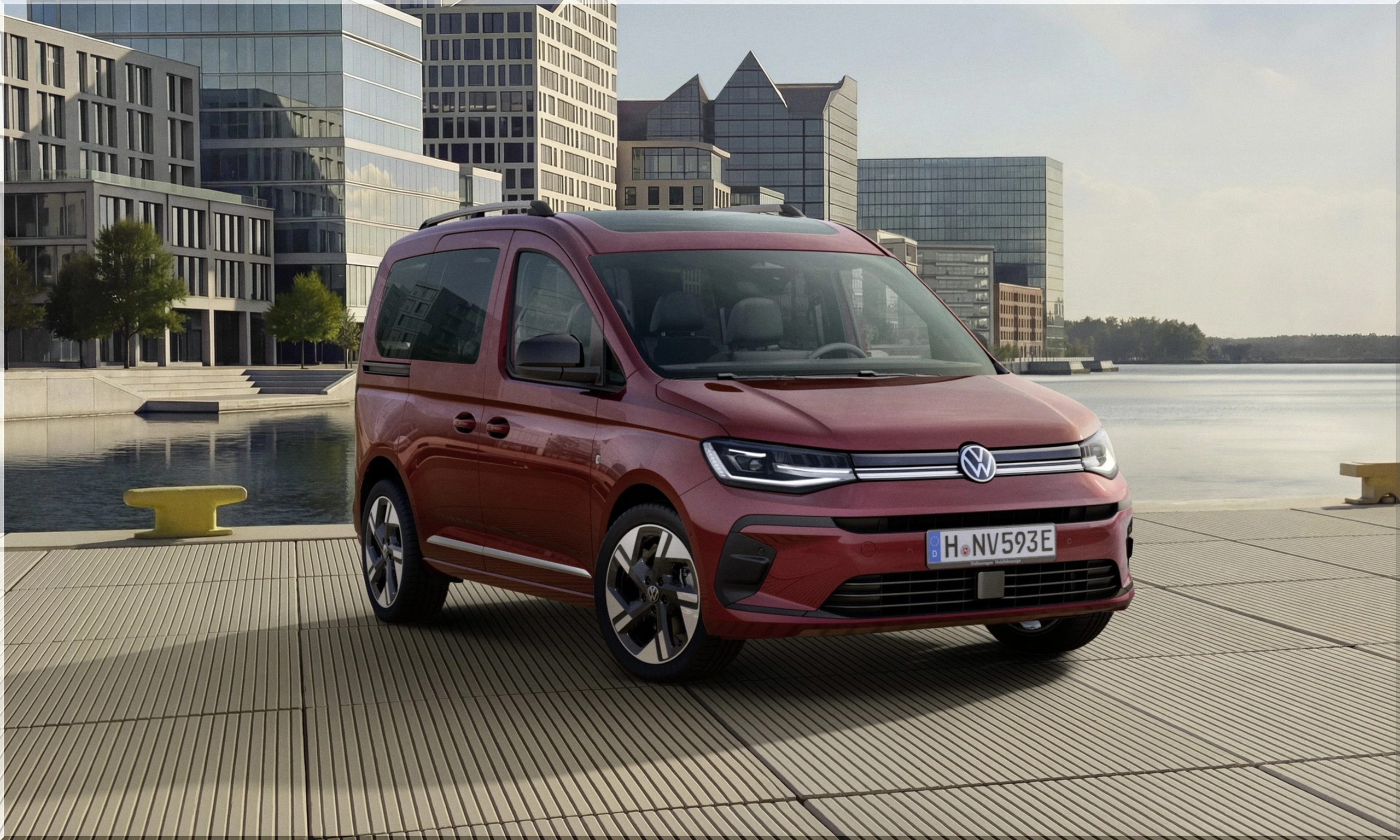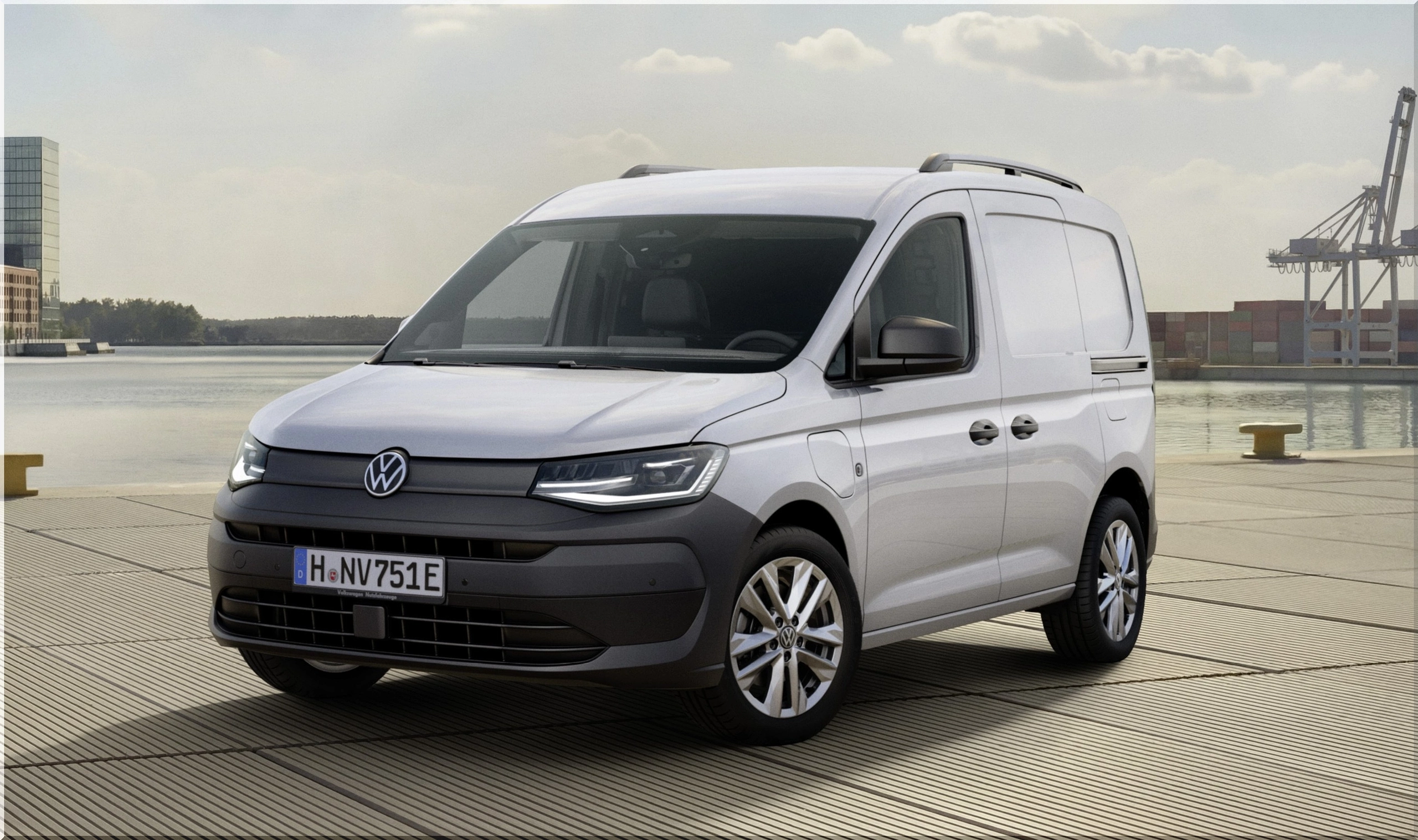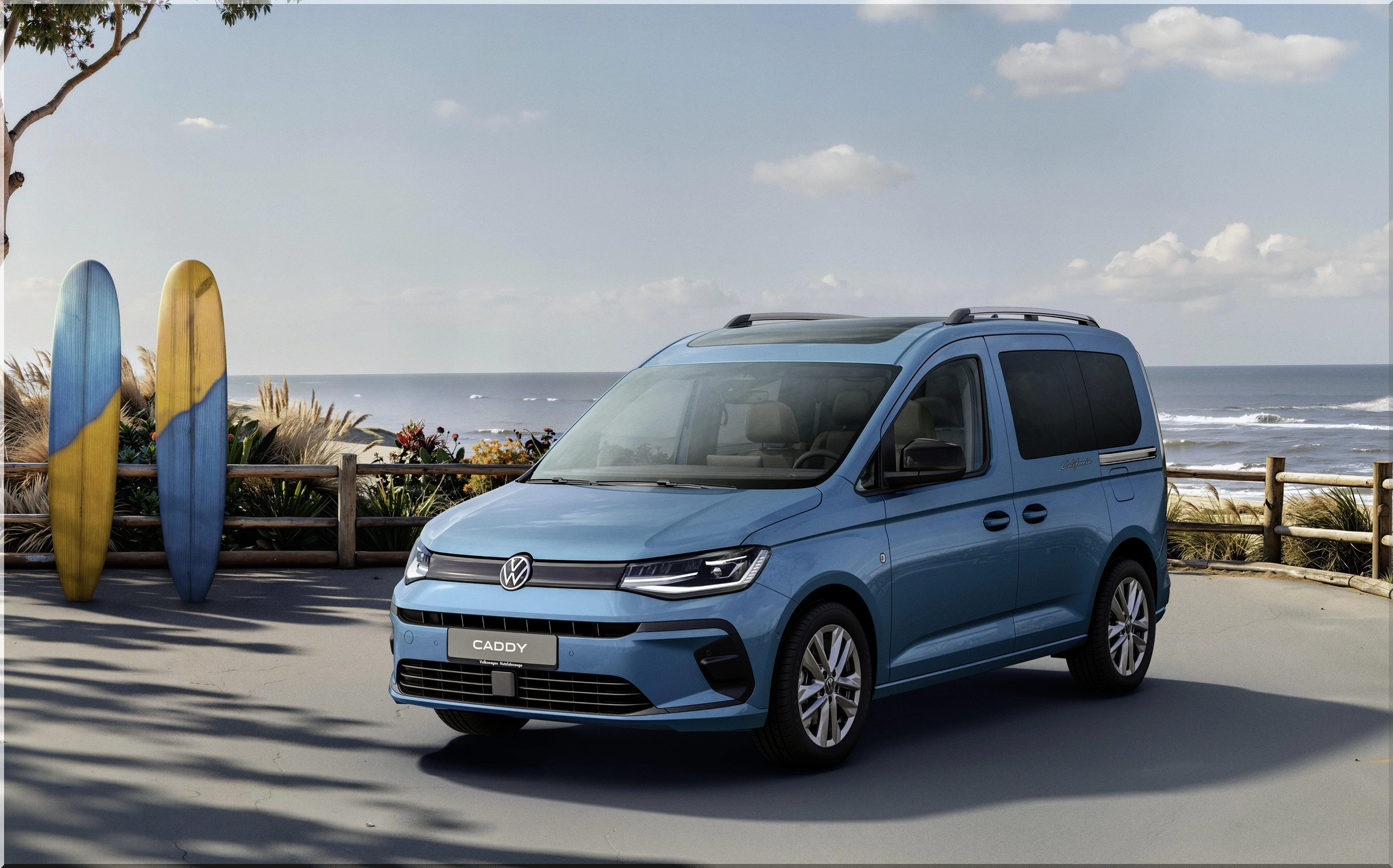

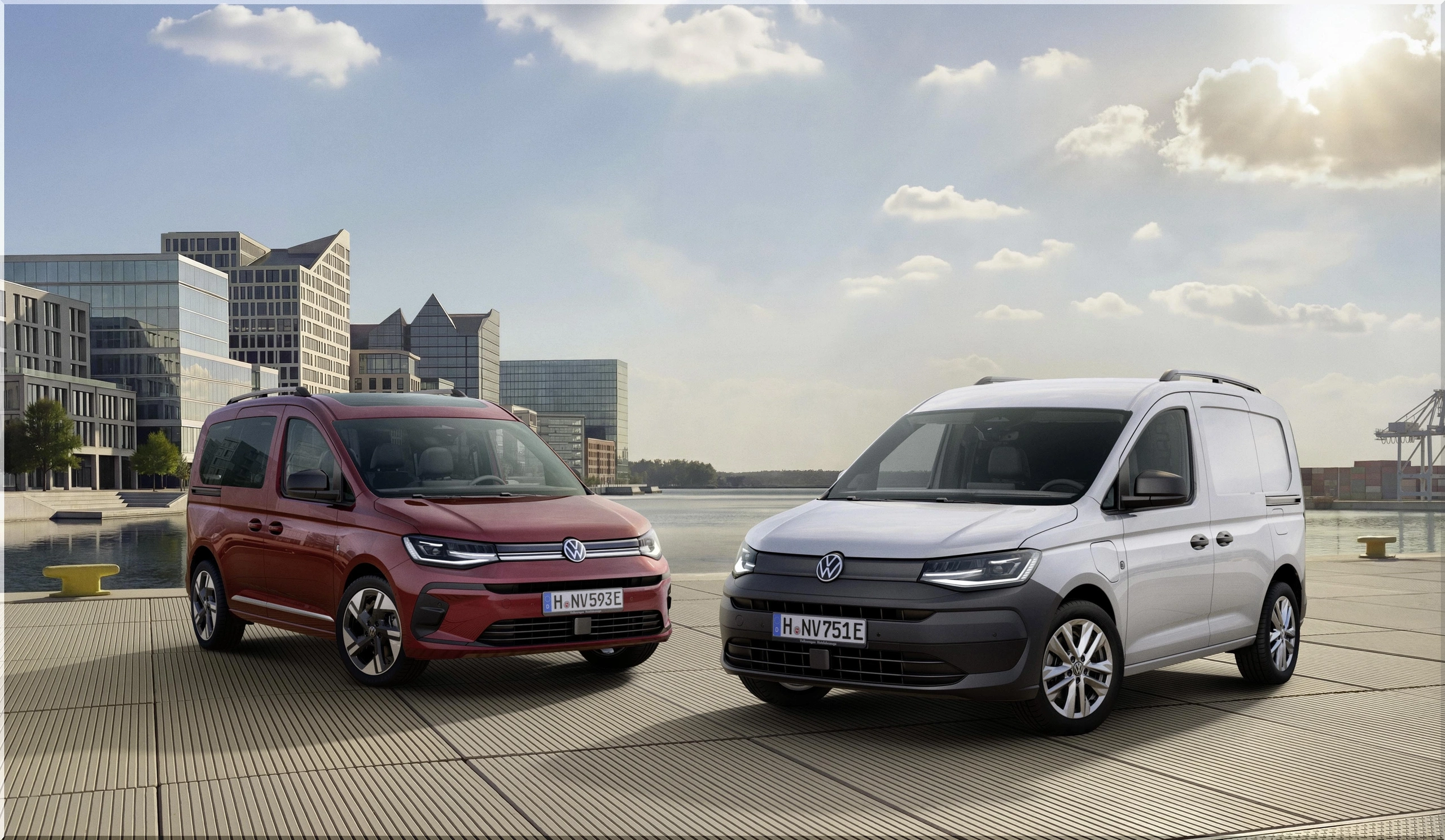
Volkswagen has recalibrated the Caddy to meet the aggressive demands of urban logistics and family mobility. This update introduces a sophisticated eHybrid plug-in drivetrain alongside a comprehensive digital cockpit overhaul across the entire range. By prioritizing powertrain versatility and high-speed data processing, Volkswagen maintains its dominance in the compact van sector.
Precision Engineering: The 75-Mile Electric Frontier
The headline achievement of the 2027 update is the 1.5 TSI eHybrid system. This powertrain utilizes a 19.7 kWh high-voltage battery to deliver an estimated electric-only range of 75 miles (122 km). For the urban courier, this translates to zero-emission operation for the duration of a standard shift, significantly reducing operational overhead.
The internal combustion options remain equally focused on thermal efficiency. The 2.0 TDI diesel utilizes twin-dosing technology with dual SCR catalytic converters to neutralize NOx emissions more effectively than previous generations. Consequently, the 122 hp diesel variant provides a robust 236 lb-ft (320 Nm) of torque, ensuring the vehicle maintains performance levels even under maximum gross weight.
Technical Performance Matrix
| Metric | 1.5 TSI eHybrid | 2.0 TDI (High Output) | 1.5 TSI Petrol |
|---|---|---|---|
| System Output | 150 hp / 110 kW | 122 hp / 90 kW | 116 hp / 85 kW |
| Peak Torque | 184 lb-ft (250 Nm) | 236 lb-ft (320 Nm) | 162 lb-ft (220 Nm) |
| Drive Configuration | Front-Wheel Drive | FWD or 4MOTION | Front-Wheel Drive |
| DC Fast Charging | Up to 50 kW | N/A | N/A |
| Primary Utility | Urban Zero-Emission | Long-Haul Logistics | Light-Duty Delivery |
Volumetric Efficiency and Cargo Logic
The 2007 Volkswagen Caddy compact van maintains its industry-standard dimensions while improving interior ergonomics. The Caddy Maxi features a 116.9-inch (2,970 mm) wheelbase, which provides enough lateral space to load two Euro pallets. Specifically, the sliding doors have been widened to 33.1 inches (840 mm) on the Maxi variant, facilitating easier side-loading in tight metropolitan environments.
Inside the cabin, the transition to the MIB4 infotainment architecture defines the user experience. A 10-inch Digital Cockpit is now standard, replacing traditional mechanical dials with a high-definition liquid crystal display. This system integrates the IDA voice assistant, which processes complex commands for climate control and navigation via cloud-based data packets.
Load Capacity and Dimensions
- Standard Wheelbase Length: 177.2 inches (4,500 mm).
- Maxi Wheelbase Length: 191.1 inches (4,853 mm).
- Maximum Cargo Volume: 130.7 cubic feet (3.7 cubic meters) in Maxi trim.
- Payload Capacity: Up to 1,311 lbs (595 kg) for optimized fleet builds.
- Towing Capacity: 3,306 lbs (1,500 kg) braked.
Pro-Tip: Fleet managers should specify the Caddy Cargo with the optional LED load compartment lighting. The increased luminosity significantly improves safety and sorting speed during night-time or early morning delivery windows.
Safety Architecture: The IQ.DRIVE Integration
Volkswagen has standardized a massive array of Advanced Driver Assistance Systems (ADAS) to reduce the frequency of low-speed collisions. The Front Assist system now includes Cyclist and Pedestrian Monitoring, which utilizes high-frequency radar to trigger emergency braking if a collision is imminent. In addition, the Dynamic Road Sign Display uses optical sensors to feed real-time speed limit data directly into the driver's primary field of vision.
The introduction of Park Assist Plus marks a shift toward total vehicle autonomy in restricted spaces. This system can remember specific parking maneuvers and execute them automatically, including the management of steering, acceleration, and braking. Looking at the data, such systems drastically lower insurance premiums for commercial fleets by minimizing minor cosmetic damage during reverse maneuvers.
Comparative Market Analysis: The Compact Van Sector
The Caddy operates in a segment where Total Cost of Ownership (TCO) determines success. By comparison, competitors often prioritize lower entry pricing at the expense of residual value. Volkswagen's strategy involves higher initial specification levels to ensure the vehicle retains a larger percentage of its value at the end of a typical four-year lease.
Segment Performance Comparison
| Attribute | Volkswagen Caddy | Ford Transit Connect | Toyota Proace City |
|---|---|---|---|
| Standard Tech | 10" Digital Cockpit | 8" Analog/Digital Mix | 10" Touchscreen |
| PHEV Capability | 75-Mile EV Range | 68-Mile EV Range | No PHEV Option |
| Base Powertrain | 1.5 TSI Turbo | 2.0 GDI | 1.2 PureTech |
| Price Point | $31,500 | $29,800 | $28,900 |
| Strategic Edge | Tech / Resale Value | Network / Availability | Warranty / Reliability |
Mechanical Logic: Why the eHybrid Wins
The engineering rationale for the 1.5 TSI eHybrid centers on the two-chamber torque converter used in the 6-speed DSG. This design allows for a smoother transition between the electric motor and the combustion engine, eliminating the "jolt" often found in inferior hybrid systems. Consequently, the Caddy delivers a linear power delivery that mimics a larger displacement engine while maintaining the fuel economy of a compact city car.
Furthermore, the inclusion of 50 kW DC fast charging for the eHybrid model is a significant technical upgrade. Most plug-in hybrids are limited to AC charging, which can take several hours. By supporting DC rapid charging, the Caddy can replenish its battery to 80 percent in approximately 25 minutes, making it viable for multiple high-intensity delivery cycles within a single day.
Actionable Strategy: Optimizing Your Acquisition
When selecting a 2027 Caddy, the decision must be driven by duty cycle analysis. For long-distance regional transport, the 2.0 TDI diesel remains the benchmark for durability and highway economy. However, for companies operating within expanding Ultra-Low Emission Zones (ULEZ), the eHybrid is the only logical choice to avoid daily entry fees while maintaining the flexibility for occasional long-distance trips.
What now?
To maximize the ROI of a new Caddy, verify your local infrastructure for 50 kW DC charging to leverage the eHybrid efficiency. If your primary use case involves heavy payloads exceeding 1,000 lbs on a regular basis, prioritize the Caddy Maxi with the 122 hp TDI engine and the 7-speed DSG to ensure mechanical longevity and optimal torque management.