
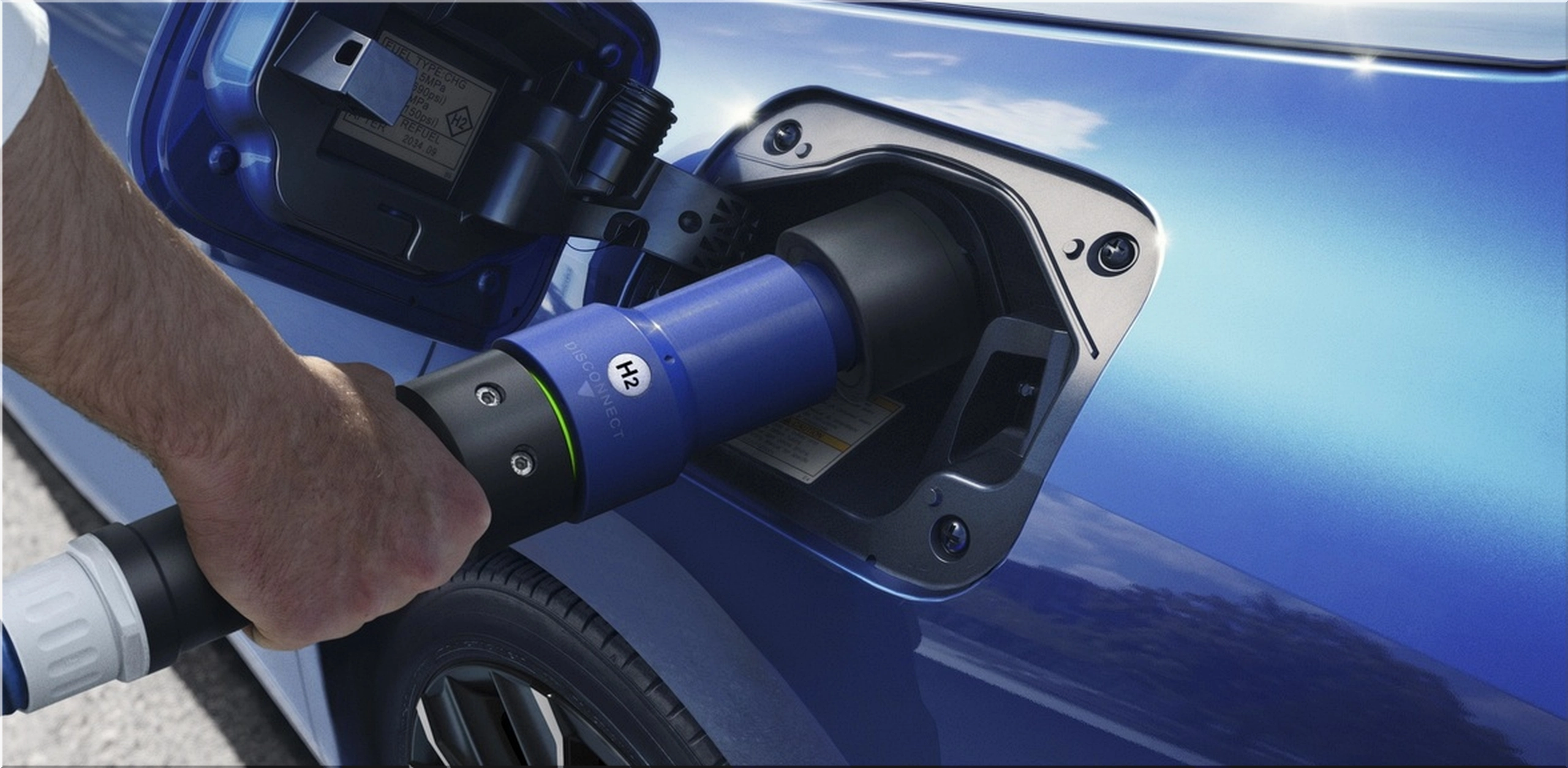
Toyota’s latest hydrogen car is a technical marvel. It’s also an automotive unicorn, requiring a fuel that’s more elusive than a cheap mechanic.
Let’s be clear. Driving a 2026 Toyota Mirai feels like the future. It’s silent, smooth, and emits only water vapor. It’s also a car that runs on compressed hydrogen gas, a substance currently found with less convenience than a decent cup of coffee on a country road. This is the paradox of Toyota’s fuel cell electric vehicle.
The new model starts at $51,795, plus a $1,195 destination fee. For that, you get a car, a $15,000 hydrogen fuel card, and a profound lesson in infrastructure dependency.
How It Works: Alchemy Under the Hood
The Toyota Mirai is not a battery electric vehicle. Think of it as a rolling science project. It inhales hydrogen fuel from one tank and air from the atmosphere. A fuel cell stack then performs a quiet miracle, combining them to create electricity. The only byproduct is water, which drips politely out of a tailpipe. Power goes to a 182 horsepower rear-mounted motor.
The refueling pitch: Fill the hydrogen tanks in about five minutes. Drive 402 miles. This sounds brilliant. It is brilliant. The challenge is step one: finding the fuel.
Design: It Looks Like a Car, Not a Experiment
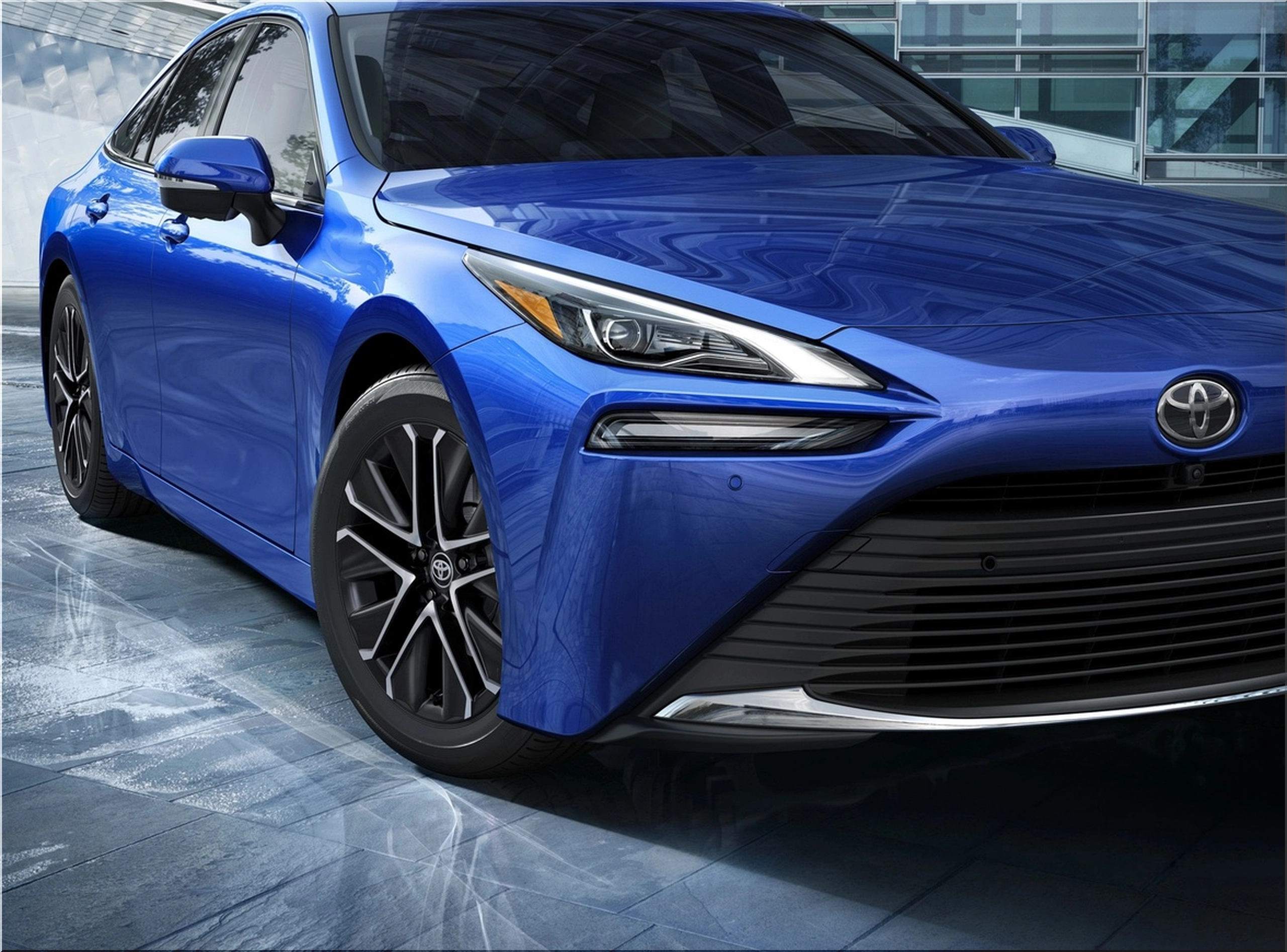
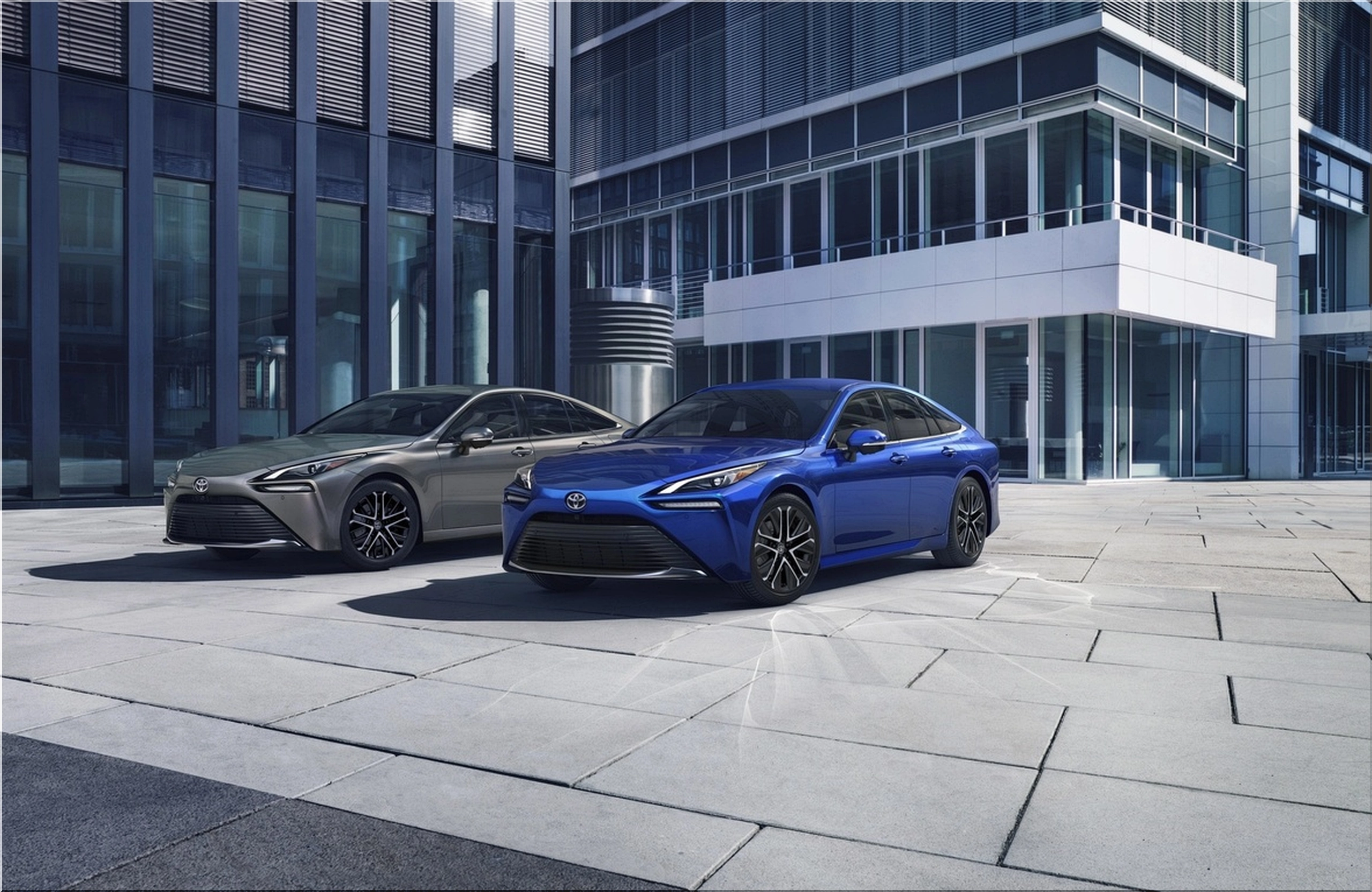
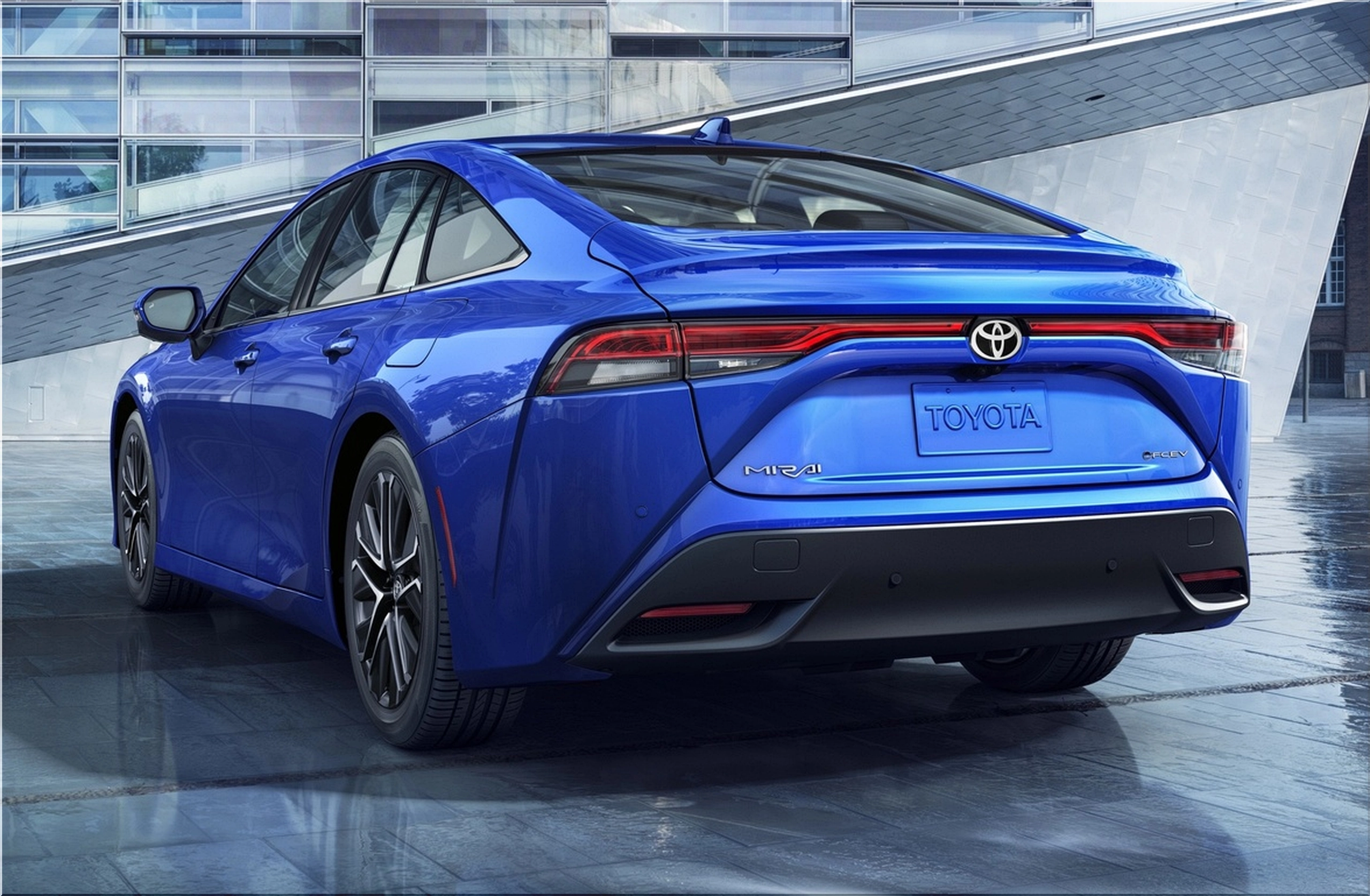
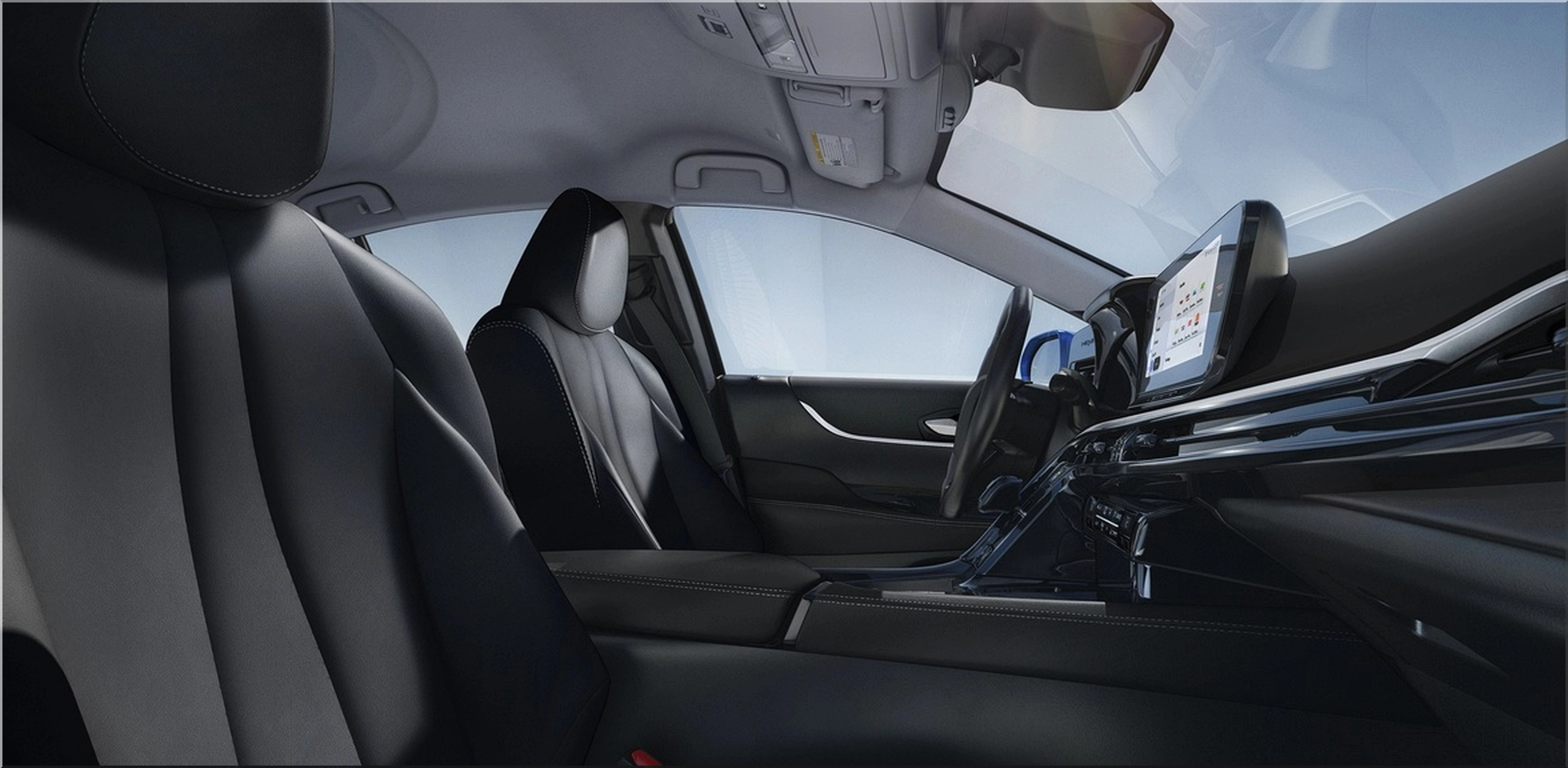
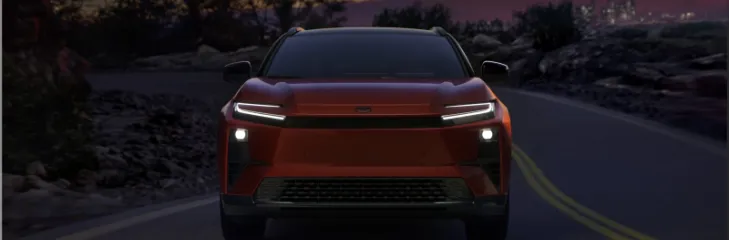
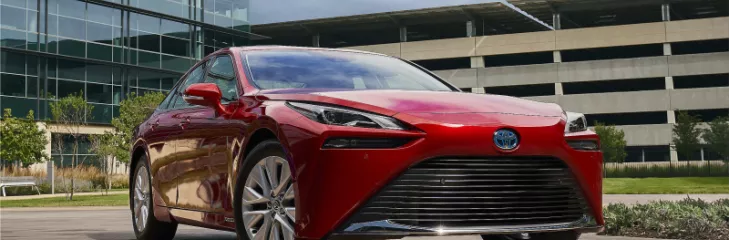
Credit where it’s due. The 2026 Toyota Mirai is handsome. It’s built on a proper rear-wheel-drive GA-L platform, giving it a low, wide stance. The standard 19-inch black alloy wheels look sharp. Inside, the SofTex-trimmed heated seats and dual-zone climate control feel premium. It resembles a normal, upscale sedan—a clever disguise for its interstellar powertrain.
The ride is cushy and quiet. You hear almost nothing, allowing you to focus completely on the existential question: “Where’s the next hydrogen fueling station?”
The Tech Cockpit: Screens, Voices, and Reality
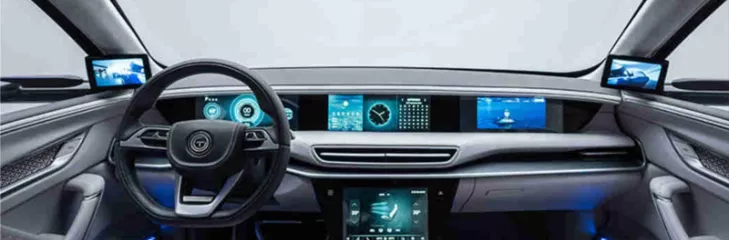
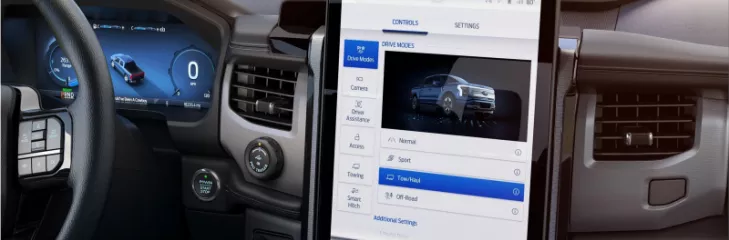
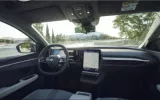
The cabin is dominated by screens. A 12.3-inch multimedia display handles entertainment. A matching 12.3-inch digital gauge cluster shows your hydrogen fuel level and remaining range. The system responds to “Hey Toyota,” a phrase you might also utter while waving at a passing Prius.
Standard features include:
- JBL Premium Audio (for soundtracks to your road trip planning)
- A wireless charger and USB-C ports
- Toyota Safety Sense 3.0, which will bravely try to prevent you from hitting things while you look for a hydrogen pump.
The Elephant in the Garage: Hydrogen Reality
Here is the central truth. Owning a 2026 Mirai is an exercise in geography. Your life must orbit the hydrogen fueling station.
Toyota knows this. The included ownership package is a bundle of reassurance.
| Incentive | What It Means For You |
|---|---|
| $15,000 Fuel Card | A sizable subsidy for hydrogen fuel, which isn’t cheap. |
| 8-Year FCEV Warranty | Covers the expensive fuel cell bits. |
| Complimentary Rental Days | 21 days of a gasoline car for when you need to leave California. |
The fuel card is generous. It’s also an admission. The hydrogen fueling station network is, to put it technically, sparse. It exists almost exclusively in California. This makes the Mirai a fantastic California commuter. It makes it a dubious choice for a cross-country move.
The Wry Conclusion
The 2026 Toyota Mirai is an impressive engineering achievement. It drives beautifully. It offers zero emissions and long range. The hydrogen fuel cell technology is fascinating.
It is also a car built for a specific, narrow reality. Toyota is selling a vehicle and a $15,000 bet that the infrastructure will catch up. For now, the Mirai remains a compelling argument for a future that hasn’t quite arrived. It’s a very good car. It just needs a world built for it. Until then, enjoy the water vapor and keep a map of California handy.