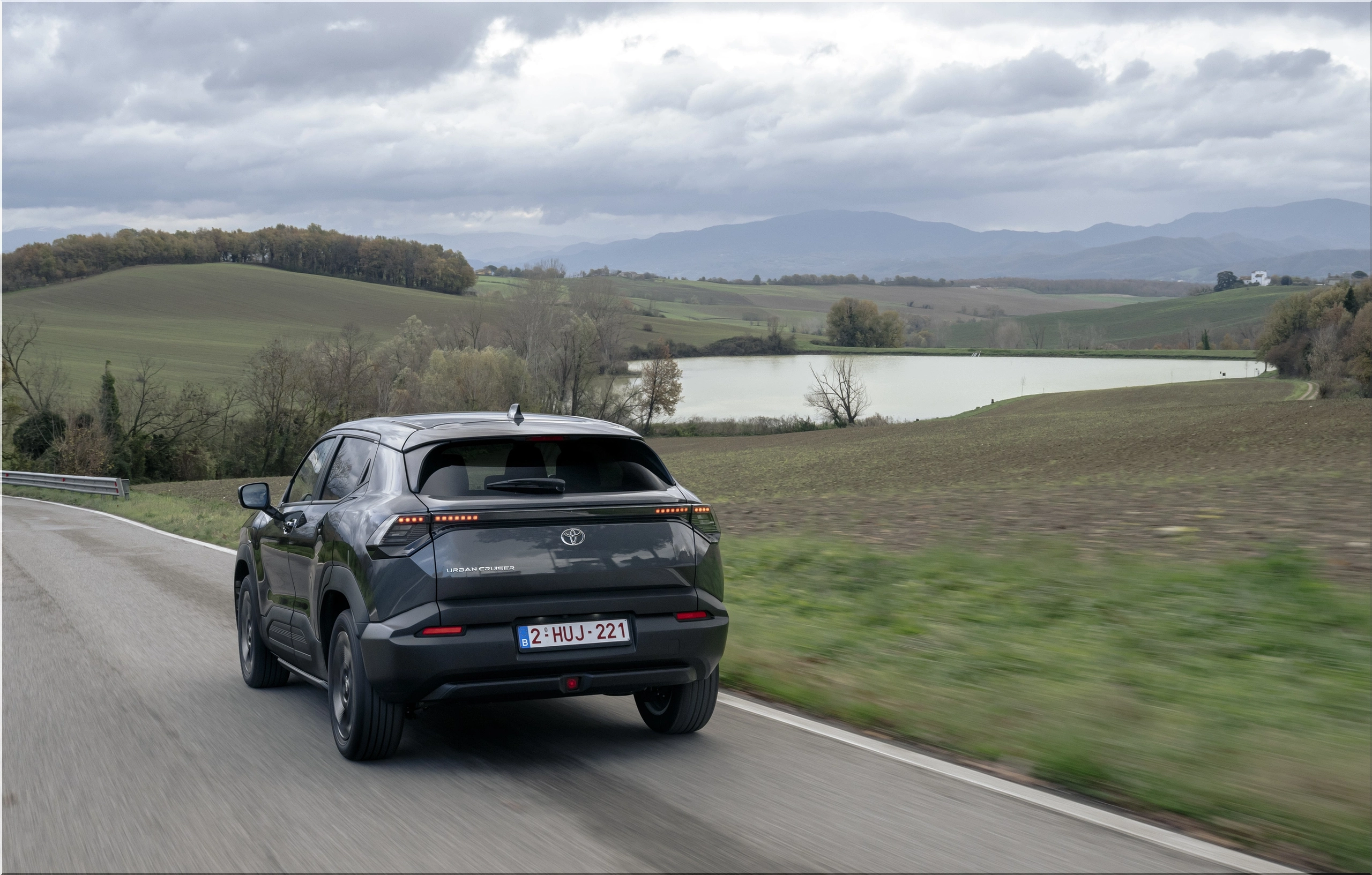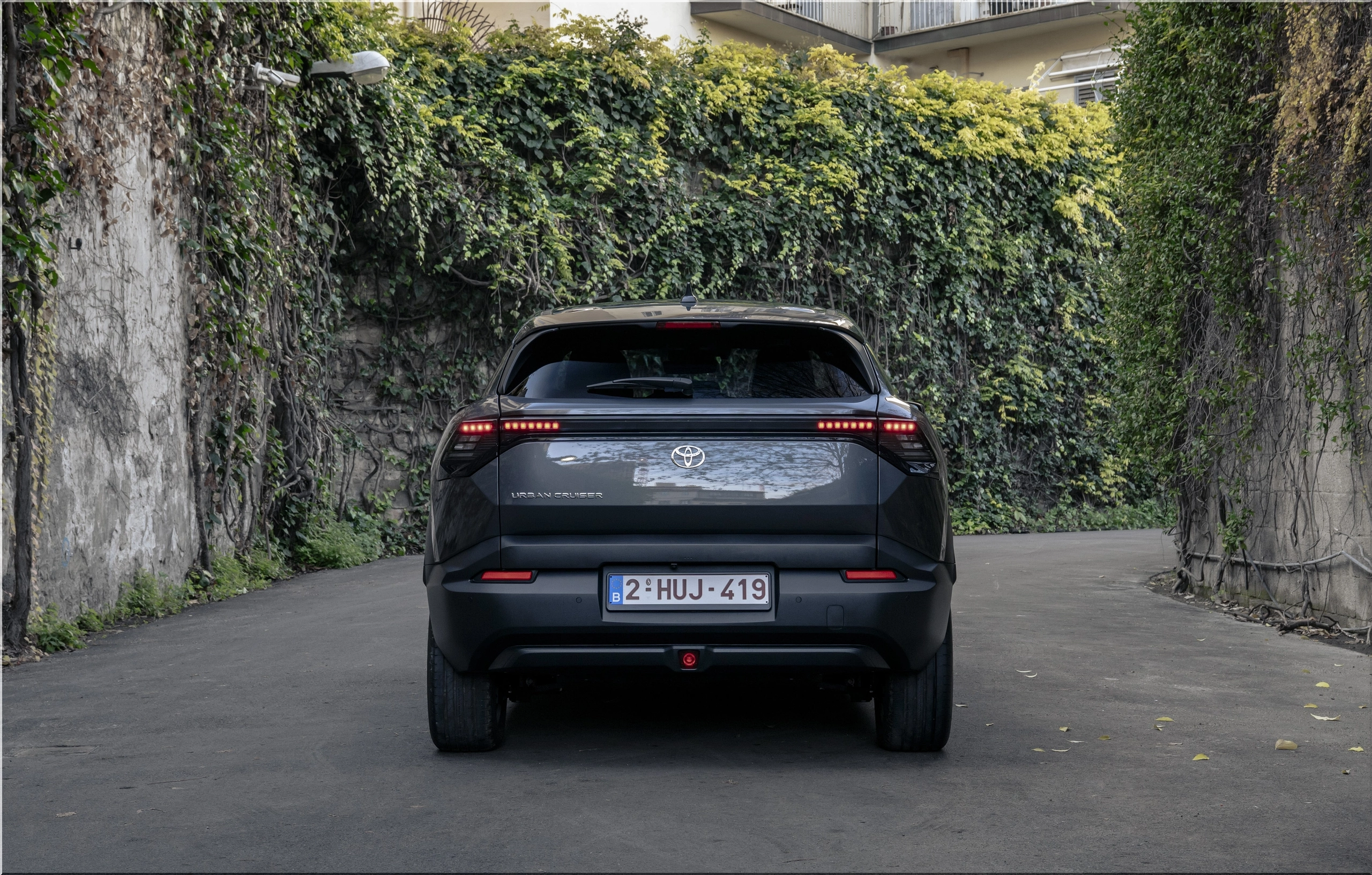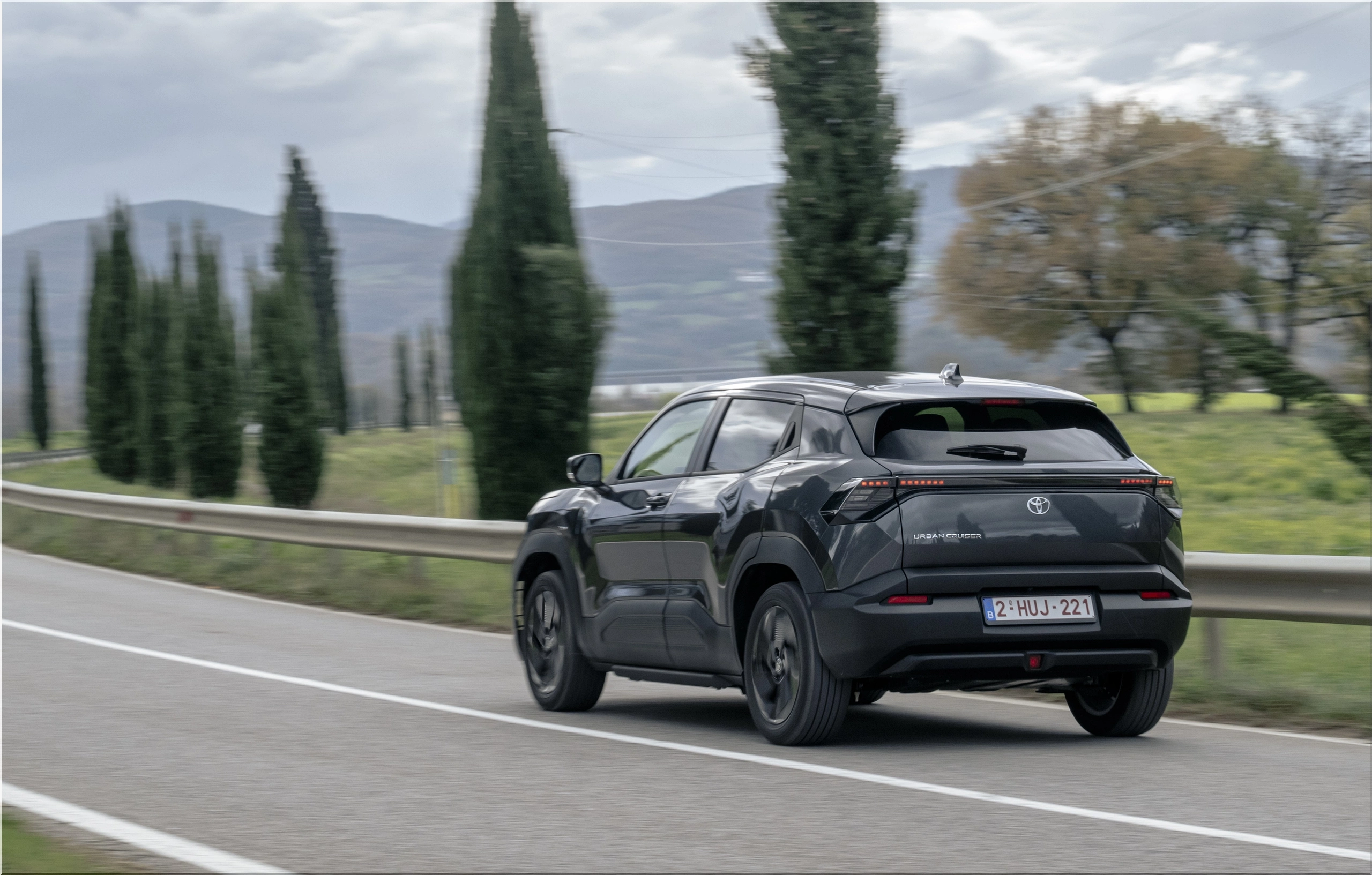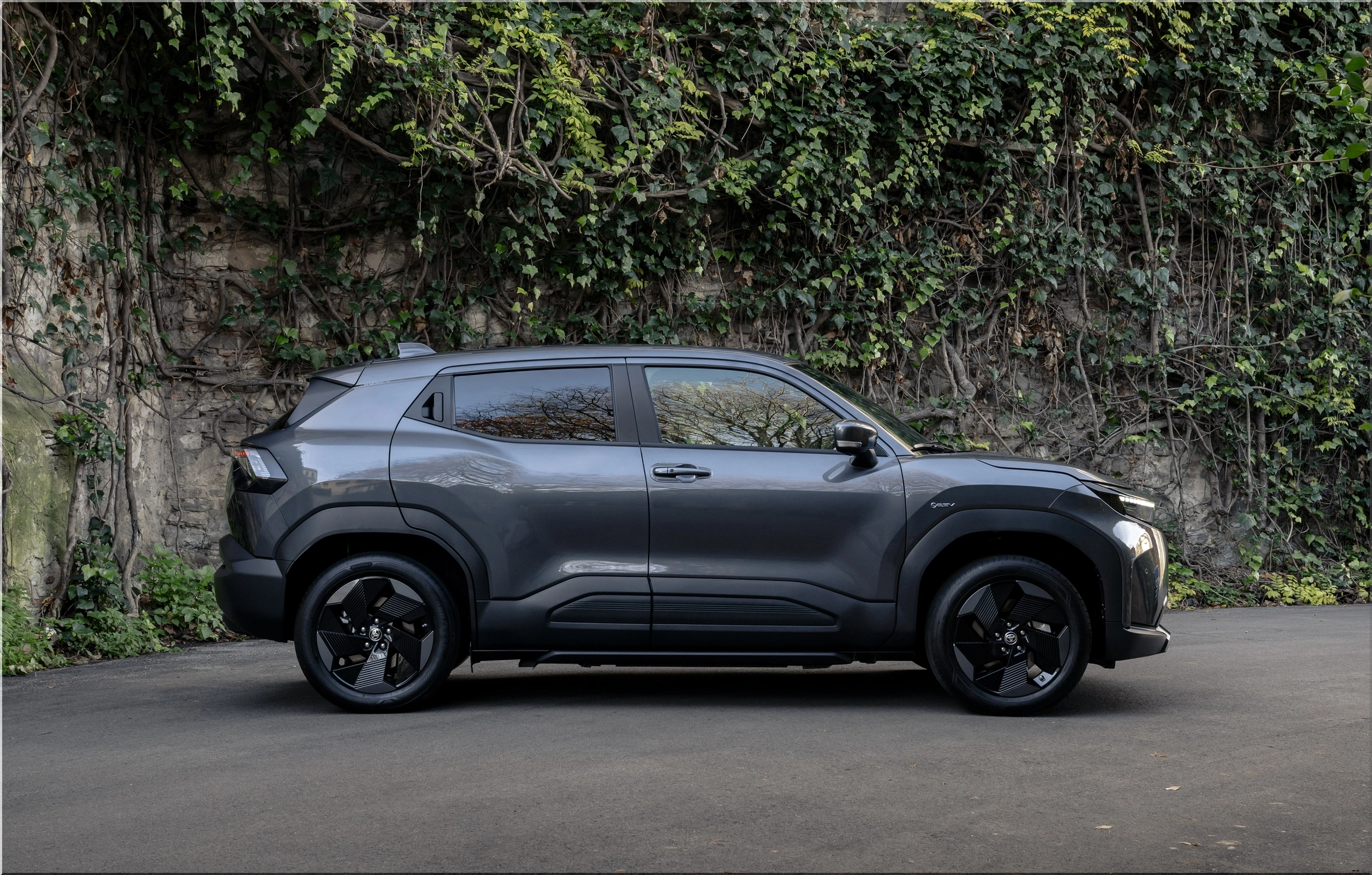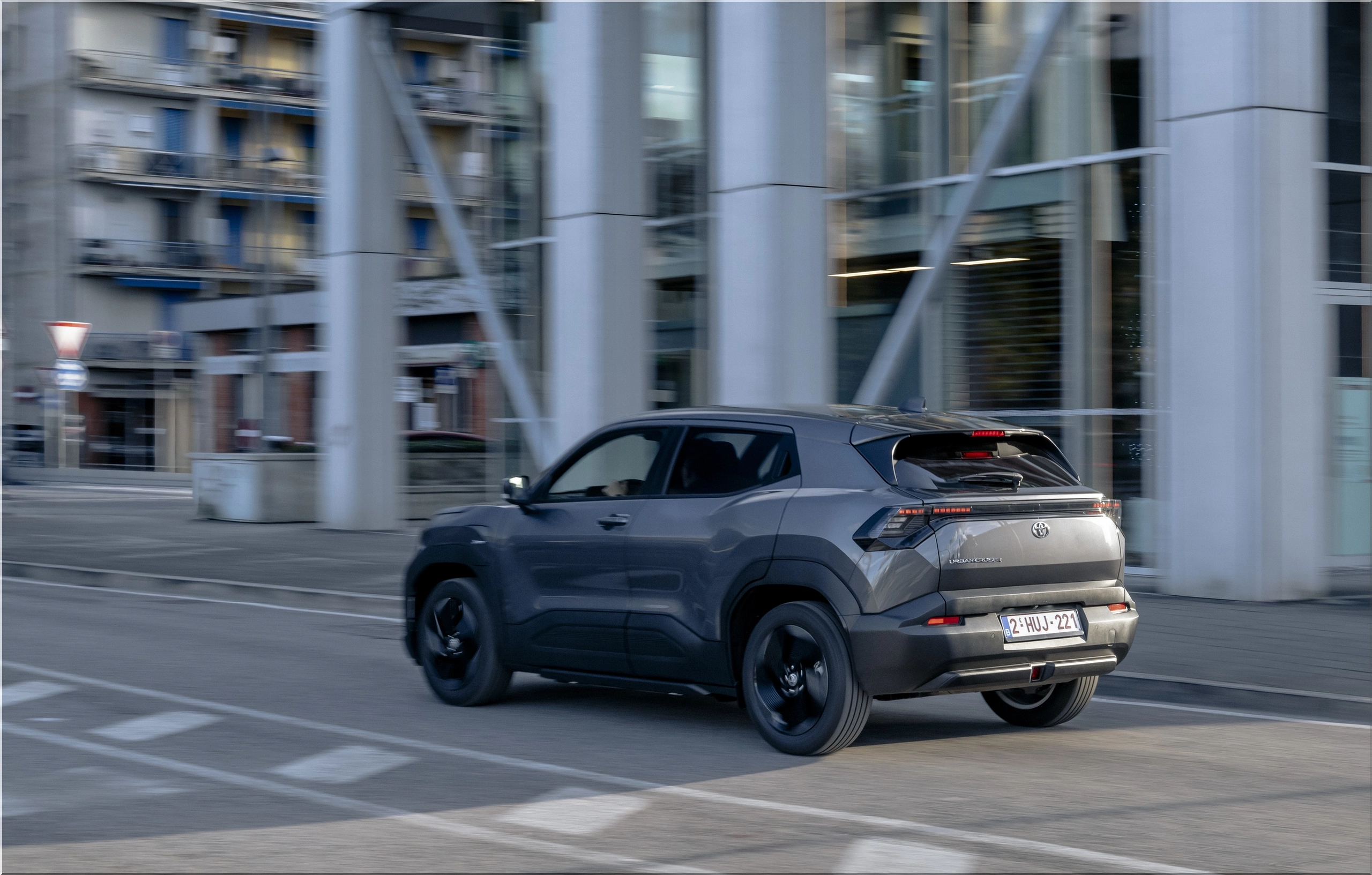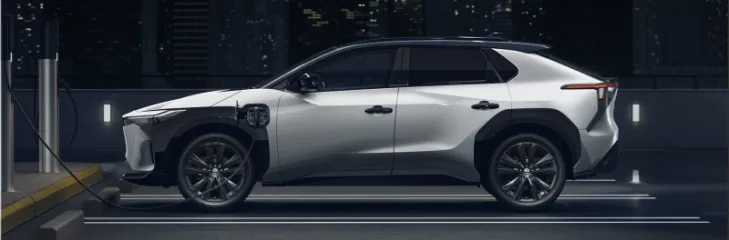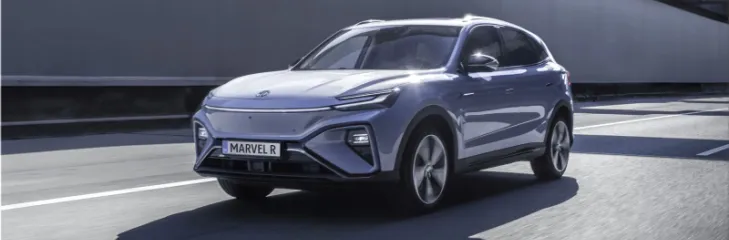

The 2026 Toyota Urban Cruiser represents a massive shift for Toyota in the compact SUV market. This vehicle aims at buyers who need efficiency and capability without the bulk of a full-sized truck. Toyota built this model to compete directly in the growing EV and hybrid crossover segment. It brings a mix of all-wheel drive (AWD) capability and a 265-mile range to a competitive price point.
The automotive industry moves fast. Toyota knows it. The Toyota Urban Cruiser 2026 is the answer to a market demanding sustainable mobility and practical design. This article breaks down the technical specs, interior features, and performance data you need to know.
Engineering the 2026 Toyota Urban Cruiser
Toyota utilizes a dedicated platform for this model. The focus remains on weight distribution and battery placement. By keeping the center of gravity low, the 2026 Urban Cruiser handles better than previous iterations.
Powertrain and Battery Technology
The standout feature of the new Toyota Urban Cruiser is its electric architecture. Toyota offers multiple battery configurations to suit different budgets. The high-capacity battery pack delivers an estimated 265-mile range. This distance covers the daily needs of most drivers while allowing for longer trips.
- Standard Range: Approximately 200 miles.
- Extended Range: Approximately 265 miles.
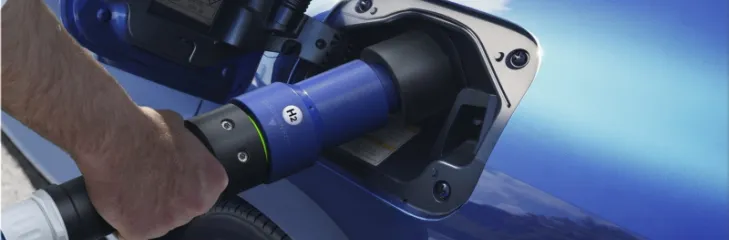
- Charging Speed: 10% to 80% in 30 minutes using a DC fast charger.
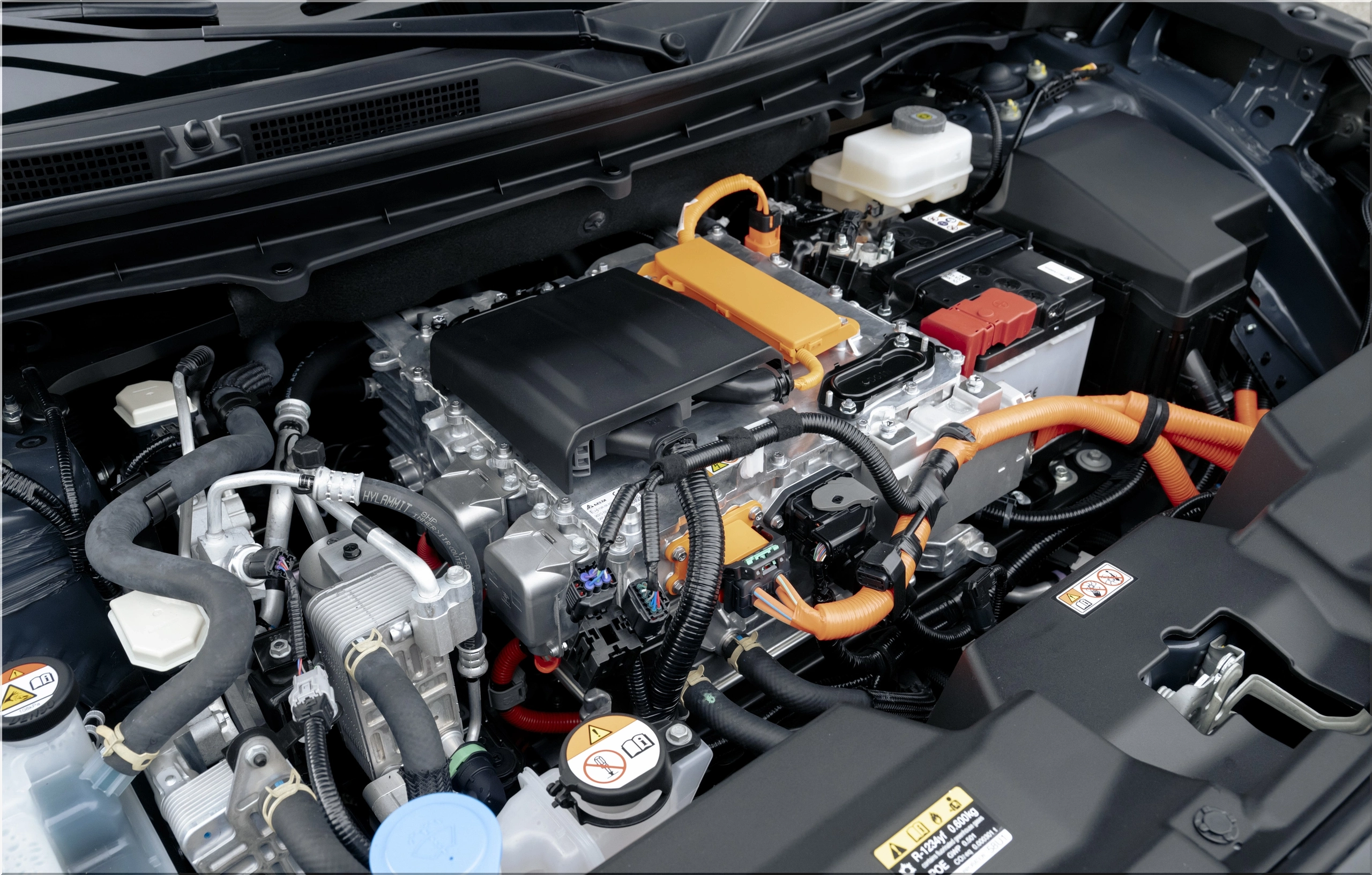
The powertrain utilizes high-efficiency motors. Toyota engineers reduced internal friction to maximize every kilowatt. This focus on efficiency keeps the 2026 Urban Cruiser price competitive. Expect the base model to start around $35,000 USD, with fully loaded AWD versions reaching $48,000 USD.
All-Wheel Drive Capability
Unlike many city-focused crossovers, the Urban Cruiser AWD system provides real utility. Toyota uses an e-AWD setup. This means a dedicated electric motor powers the rear wheels. There is no physical driveshaft connecting the front and back. This design saves weight and increases interior floor space.
The system monitors wheel slip in milliseconds. It sends power where it finds grip. This makes the 2026 Toyota Urban Cruiser a viable option for those living in snowy climates or those who drive on dirt roads.
| Feature | Specification |
|---|---|
| Max Range | 265 Miles |
| Drivetrain | FWD / AWD Option |
| Battery Type | Lithium-ion |
| Charging Port | CCS / NACS Compatible |
| Seating Capacity | 5 Adults |
Exterior Design and Aerodynamics
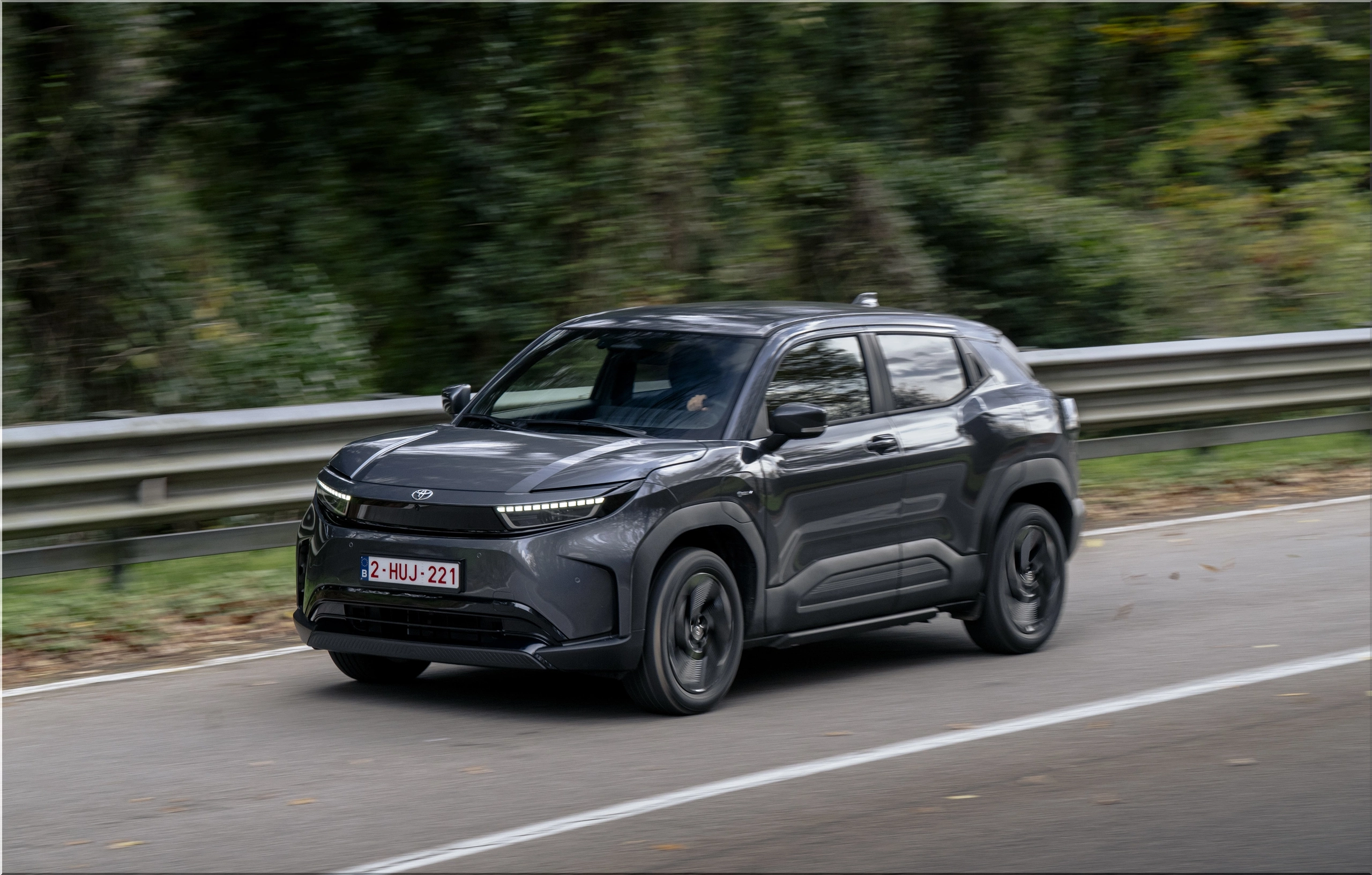
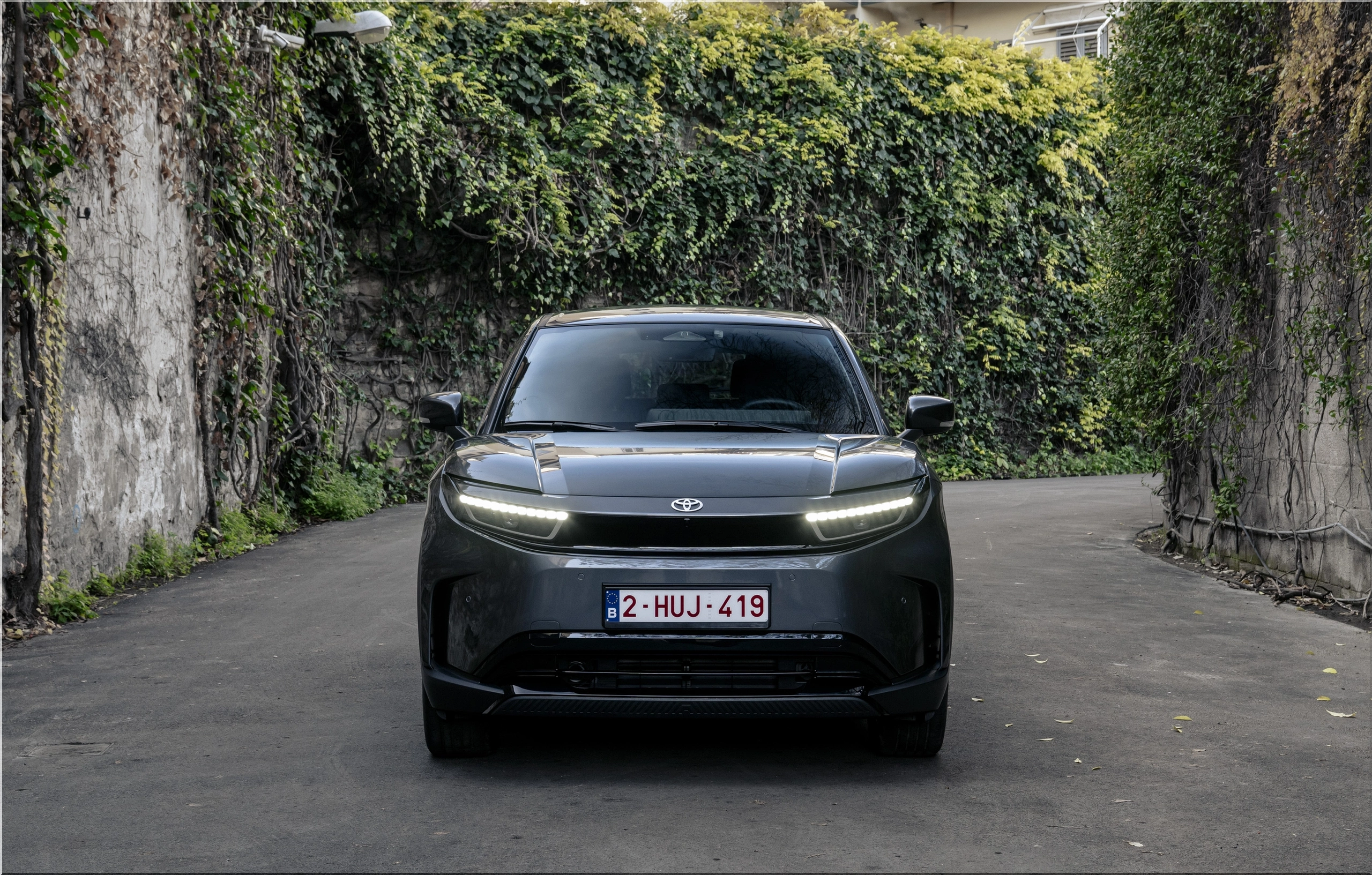
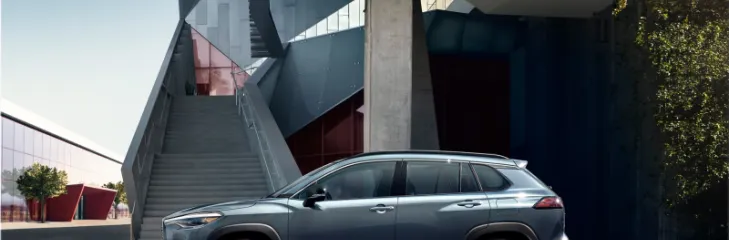
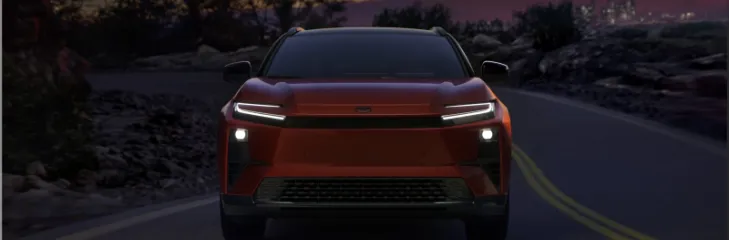
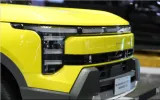
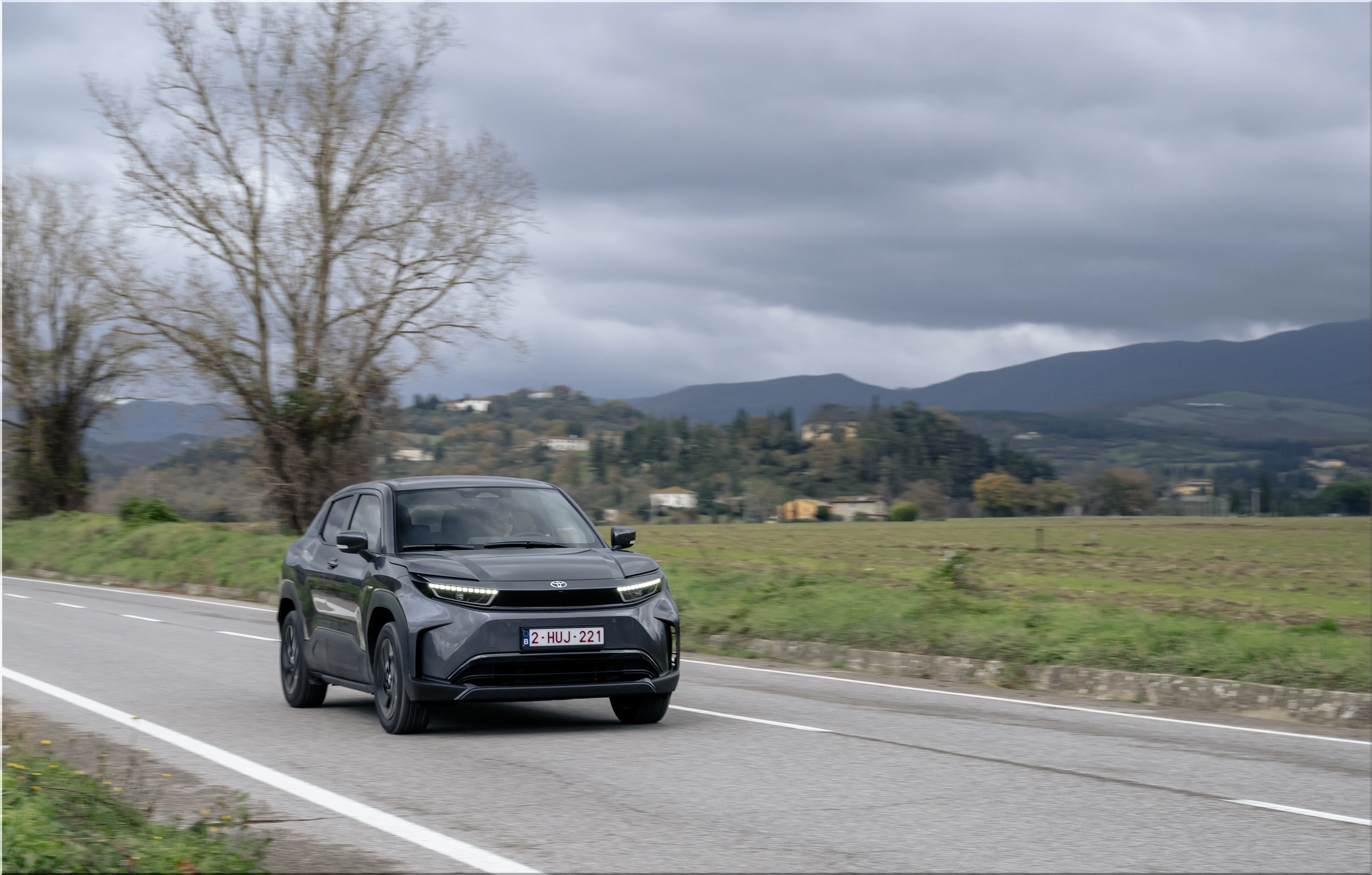
The 2026 Urban Cruiser features a "Hammerhead" front-end design. This is the new face of Toyota. It looks sharp and purposeful. Every line on the body serves a function. The flat underbody and sleek roofline reduce wind resistance. Lower drag means more miles per charge.
Dimensions and Maneuverability
Toyota designed this car for tight spaces. It fits in narrow parking spots and turns around in small city streets. However, the short overhangs provide a surprisingly long wheelbase. This translates to a stable ride on the highway.
- Length: Approximately 169 inches.
- Width: Approximately 71 inches.
- Height: Approximately 61 inches.
The compact SUV footprint makes it a favorite for urban dwellers. You get the high seating position of an SUV with the agility of a hatchback.
Interior Technology and User Experience
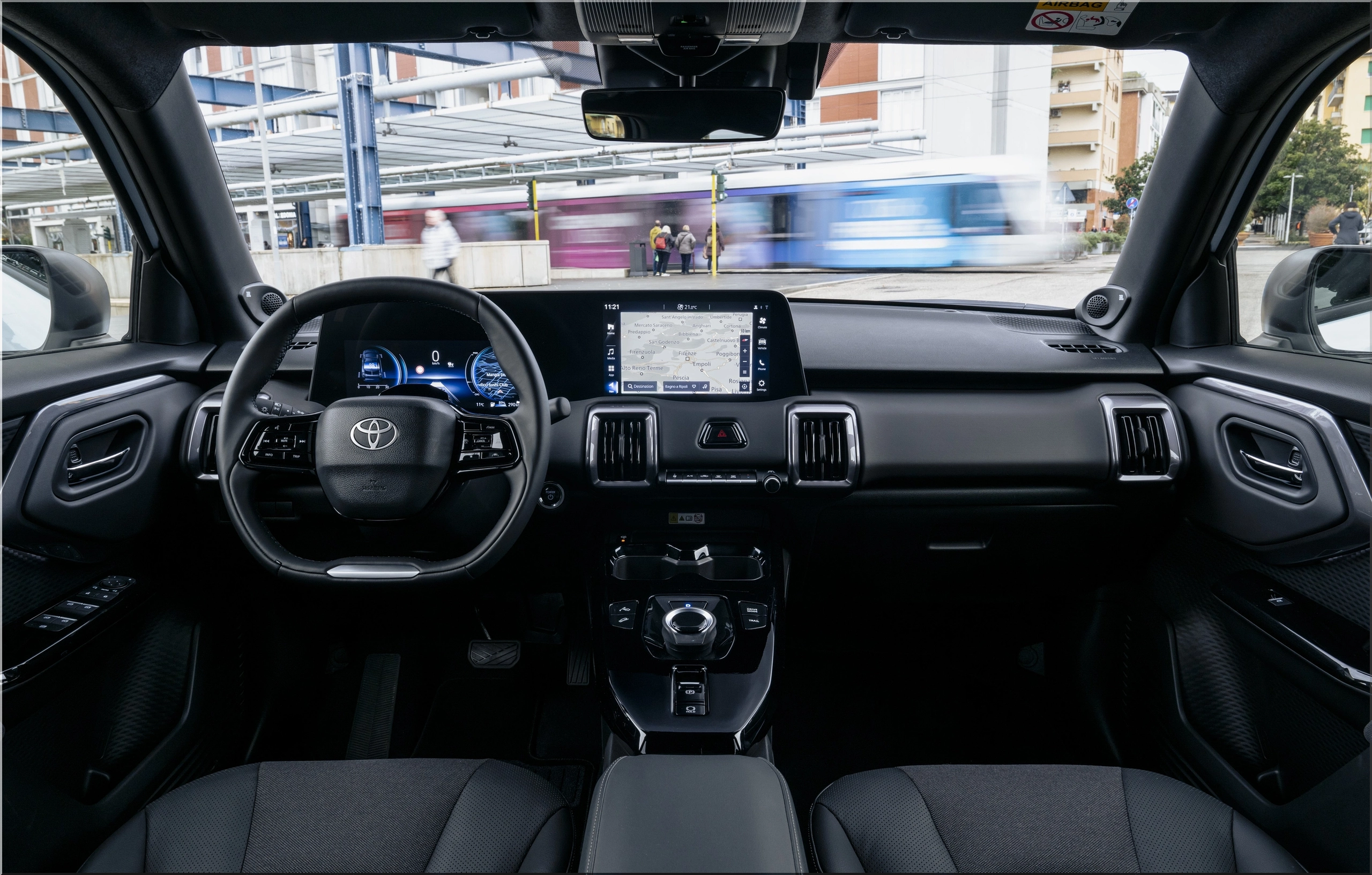
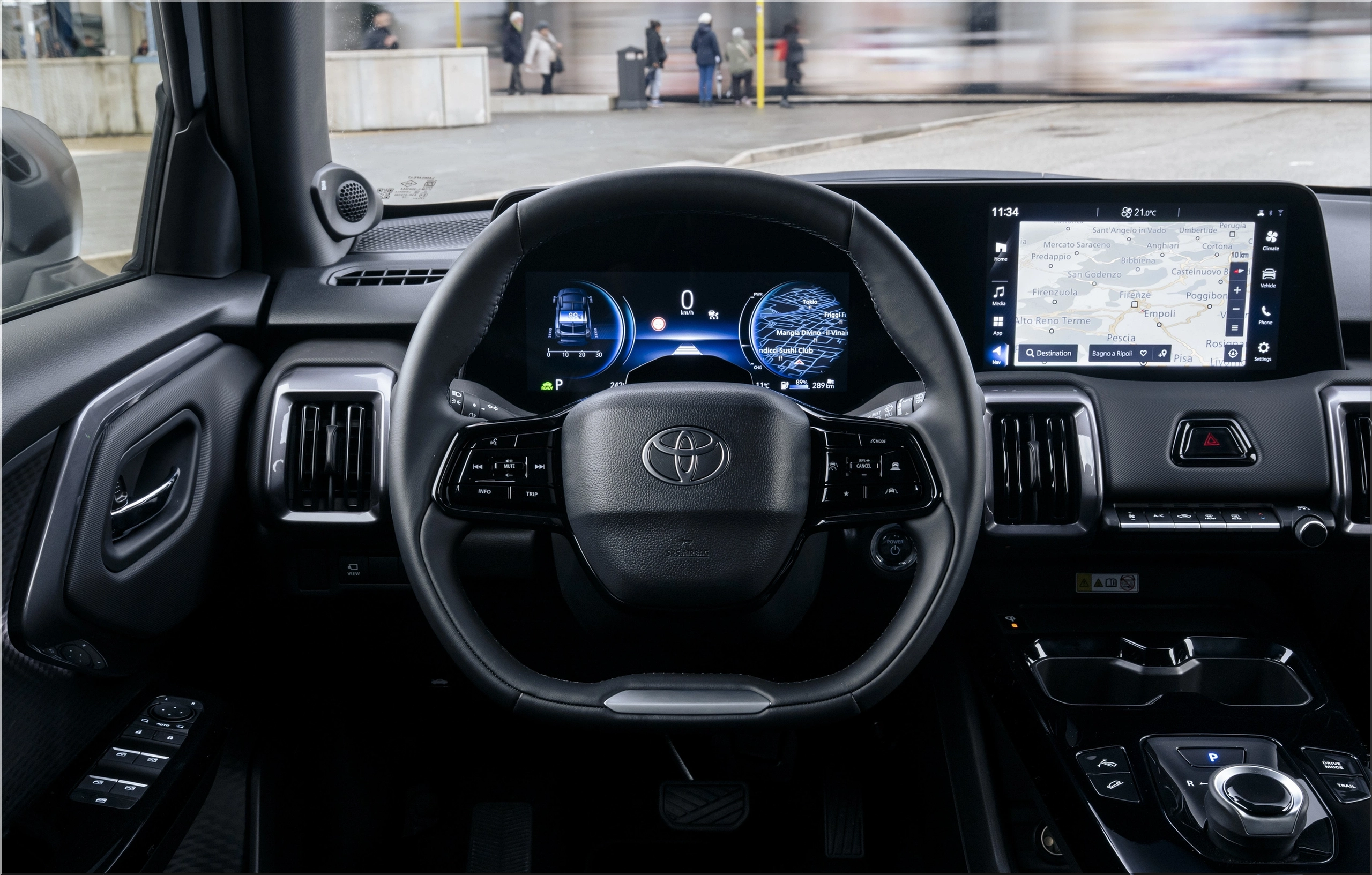
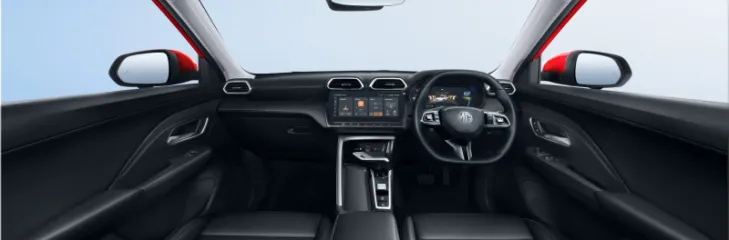
Inside, the 2026 Toyota Urban Cruiser focuses on UX design. Toyota moved away from overly complex touchscreens. You still get physical buttons for the most used functions like volume and climate control.
Infotainment and Connectivity
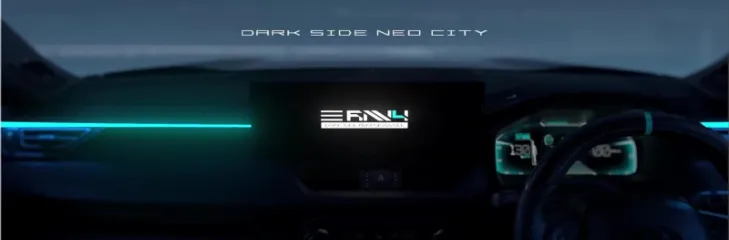
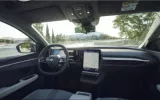
The center of the cabin features a 12.3-inch touchscreen. It runs the latest Toyota Multimedia System. It supports wireless updates. This means the car gets better over time.
- Wireless Apple CarPlay and Android Auto come standard.
- Cloud-based navigation provides real-time traffic data.
- Voice commands allow you to change the temperature or find a station without taking your eyes off the road.
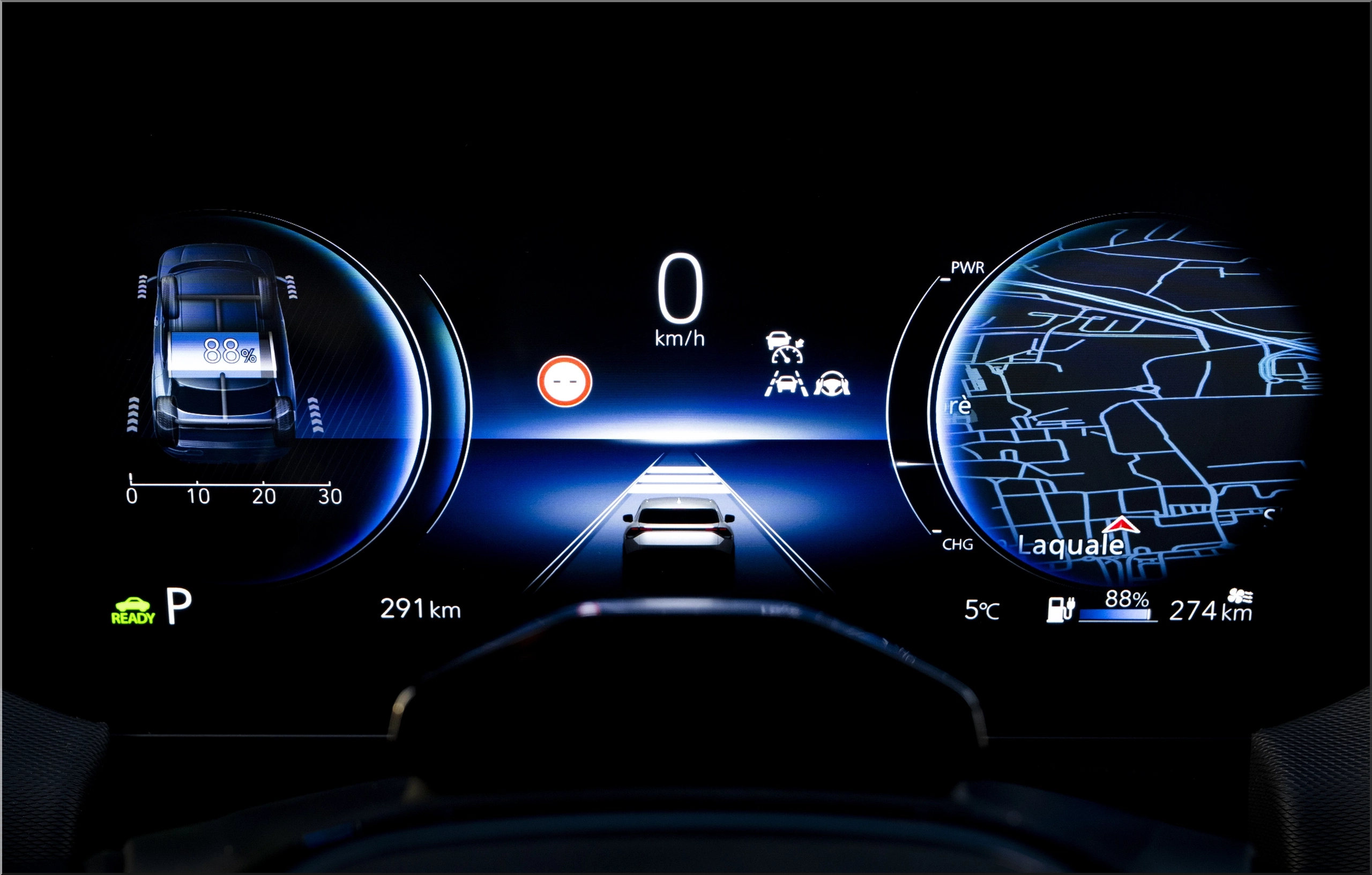
The digital gauge cluster is clear. It shows battery percentage, remaining range, and power usage metrics. Toyota prioritized legibility. Even in direct sunlight, the screens stay visible.
Material Choice and Comfort
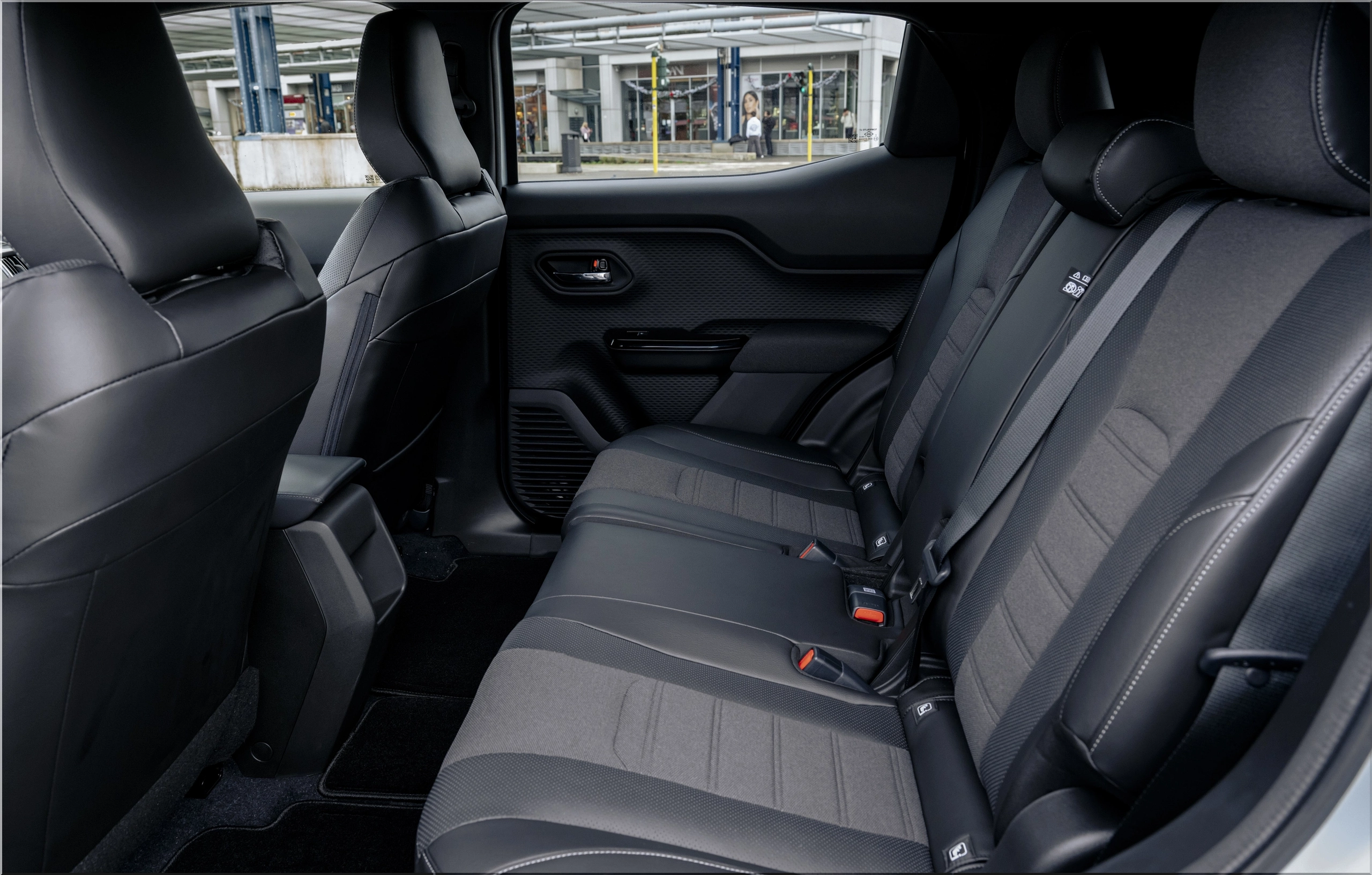
Toyota uses recycled materials throughout the cabin. The seats use a durable synthetic leather called SofTex. It resists stains and stays cool. The floor mats consist of reclaimed ocean plastics. This fits the eco-friendly mission of the vehicle.
The rear seats offer enough room for two adults or three children. The floor is flat because there is no transmission tunnel. This adds significant comfort for the middle passenger.
Safety Features and Driver Assistance
Safety is a core pillar for Toyota. The 2026 Urban Cruiser includes Toyota Safety Sense (TSS) 3.0. This suite of tools uses cameras and radar to prevent accidents.
- Pre-Collision System: Detects vehicles and pedestrians. It applies brakes automatically if the driver fails to react.
- Lane Tracing Assist: Keeps the car centered in the lane.
- Dynamic Radar Cruise Control: Maintains a set distance from the car in front. It works down to a full stop.
- Proactive Driving Assist: Gently slows the car down when entering a curve.
These systems reduce driver fatigue. On long highway stints, the car handles most of the micro-adjustments. This makes the Urban Cruiser a safe choice for families.
Performance Analysis: How It Drives
The 2026 Urban Cruiser does not try to be a sports car. It focuses on smoothness. The instant torque from the electric motors makes merging into traffic easy. The acceleration is linear.
Ride Quality
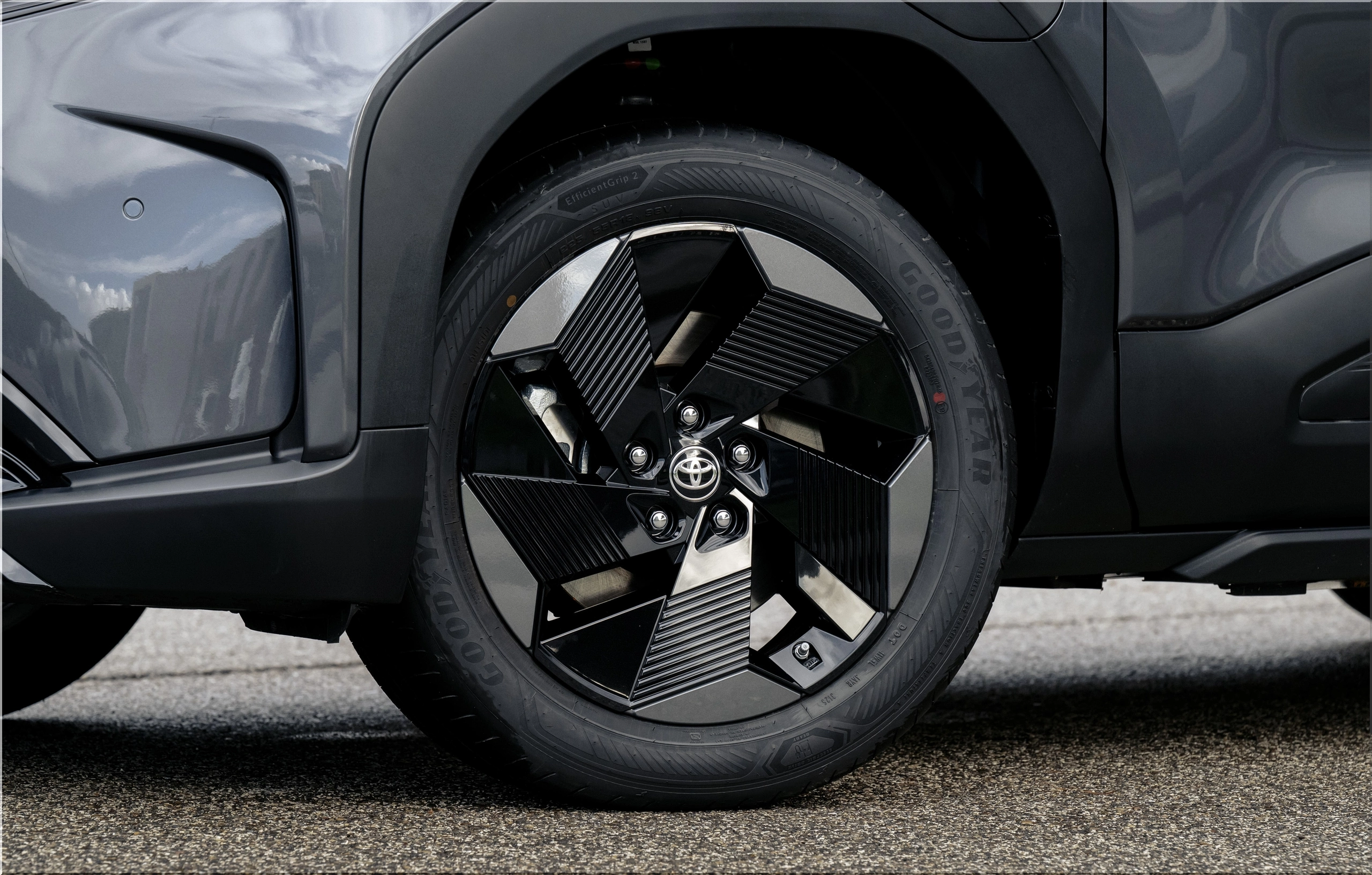
The suspension setup uses MacPherson struts in the front and a multi-link rear. This combination absorbs bumps well. Even with the optional 18-inch wheels, the ride stays composed. Toyota tuned the dampers for comfort rather than high-speed cornering.
The cabin is quiet. Toyota used extra sound deadening in the wheel wells and door panels. At 65 mph, wind noise remains minimal. This quiet environment makes the Urban Cruiser feel like a more expensive luxury vehicle.
Off-Road Capability
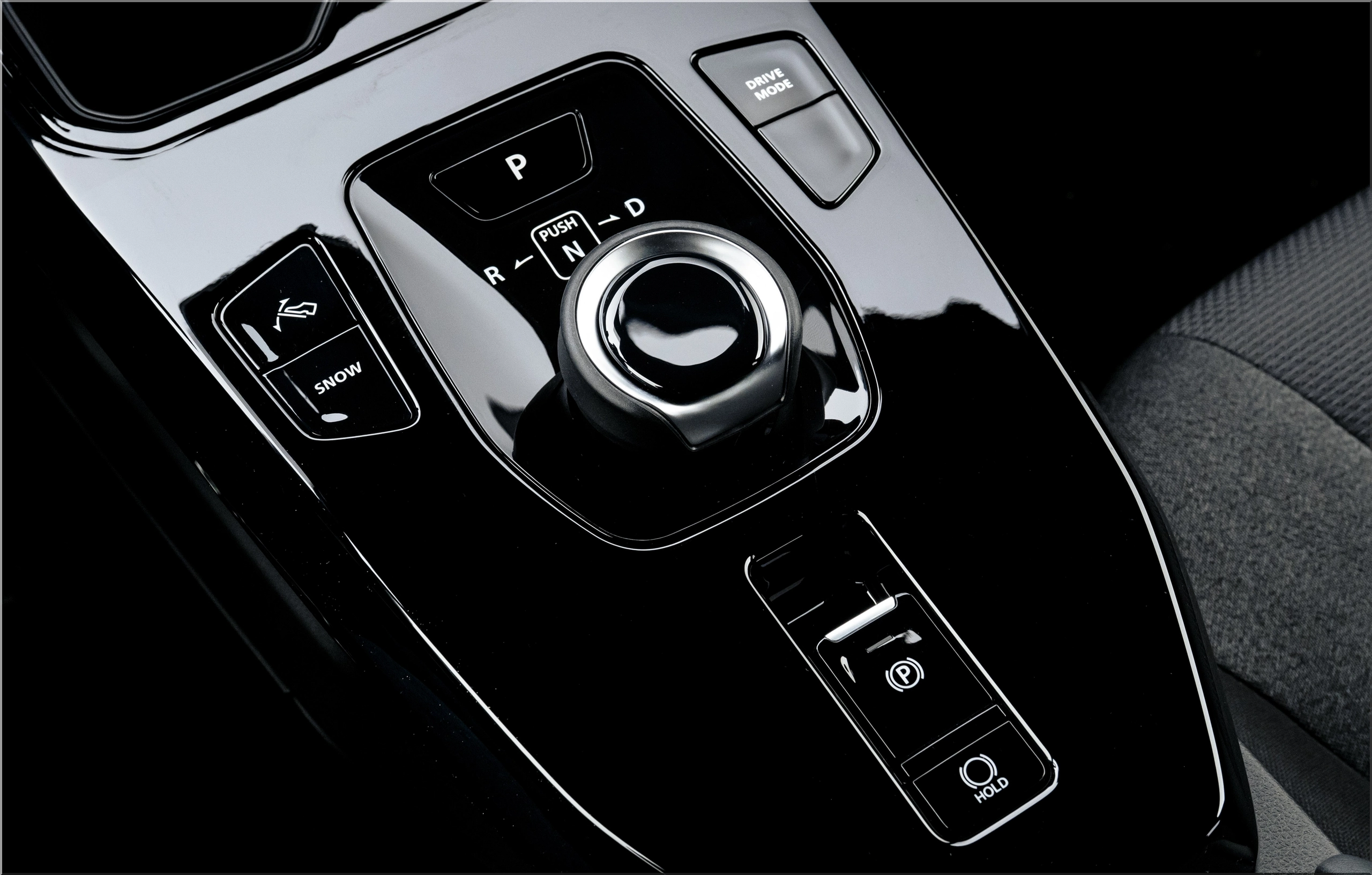
While not a rock crawler, the Urban Cruiser AWD handles light trails with ease. The "Trail Mode" manages the traction control system. It brakes spinning wheels to send torque to the tires with grip. The 7.5 inches of ground clearance is enough for most camping trips or unpaved driveways.
Market Context and Competition
The 2026 Toyota Urban Cruiser enters a crowded field. It faces competition from the Hyundai Kona Electric, Kia Niro EV, and Volvo EX30.
Competitive Advantage
Toyota’s primary advantage is its reputation for reliability. Buyers trust the brand to build cars that last 200,000 miles. The Urban Cruiser battery warranty likely covers 8 to 10 years, providing peace of mind.
Another advantage is the Toyota dealer network. Finding service or parts is easier for a Toyota than for a startup EV brand. This logistical support is a major factor for rural buyers.
Pricing Strategy
The estimated starting price of $35,000 USD puts it in the sweet spot of the market. Many EVs are still too expensive for the average consumer. By keeping the price under $40,000 USD for the base trims, Toyota attracts a wider audience.
- Urban Cruiser LE: $35,000 USD (Estimated)
- Urban Cruiser XLE: $39,000 USD (Estimated)
- Urban Cruiser Limited (AWD): $45,000 USD (Estimated)
Operational Costs and Maintenance
Electric vehicles generally cost less to maintain than gas cars. The 2026 Urban Cruiser follows this trend. There are no oil changes, spark plugs, or timing belts to replace.
Charging at Home
Most owners will charge at home. Using a Level 2 charger, the car goes from empty to full in about 9 hours. If you drive the national average of 37 miles per day, you only need to plug in twice a week. At an average electricity rate of $0.15 per kWh, a full charge costs about $10.00 USD. This is significantly cheaper than a tank of gasoline.
Resale Value
Toyota vehicles hold their value. The Urban Cruiser resale value should remain high due to the brand's track record. As more people switch to electric, demand for used, reliable Toyota EVs will increase.
Cargo Space and Practicality
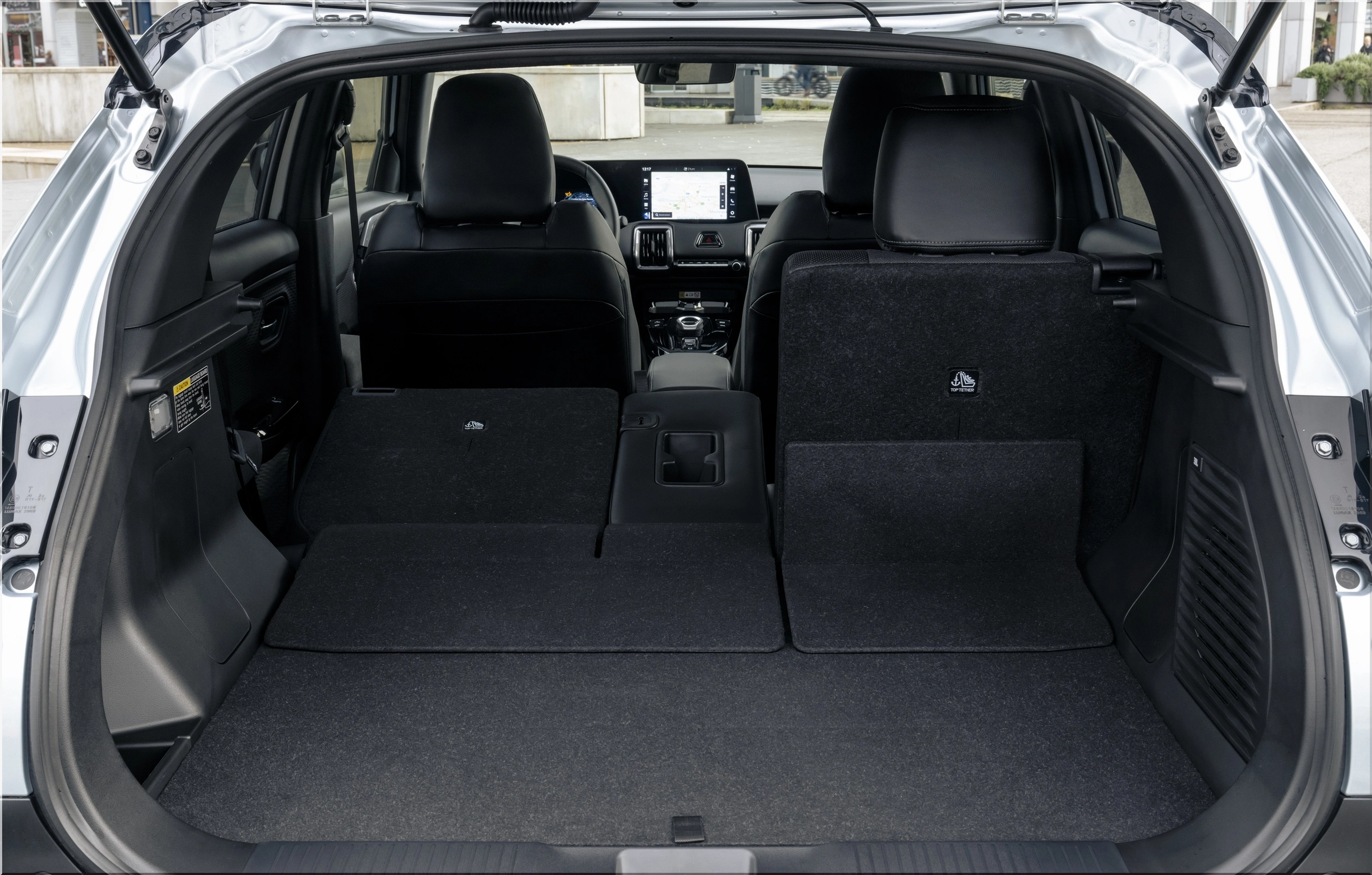
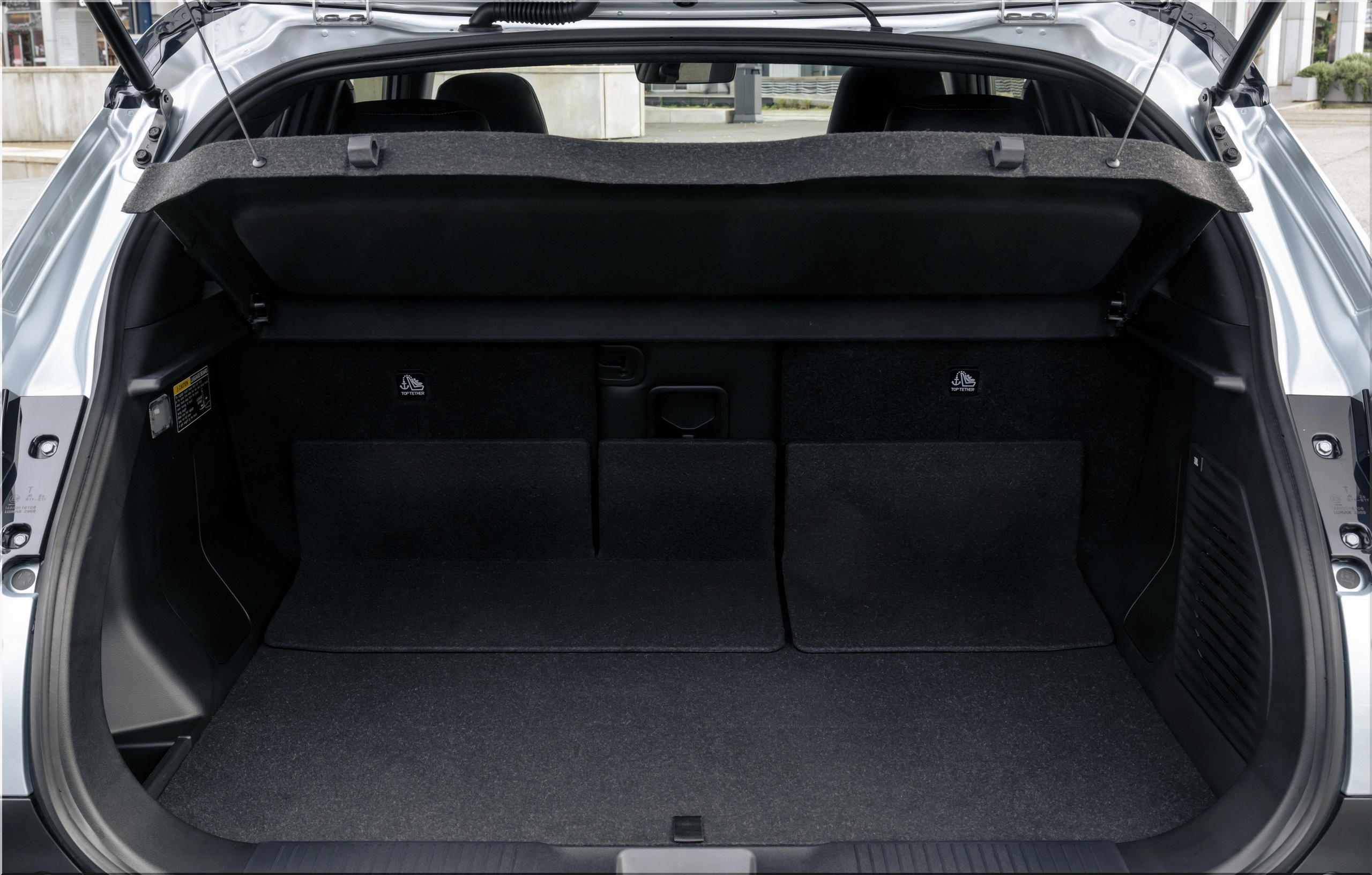
A compact SUV must be practical. The 2026 Urban Cruiser features a "frunk" (front trunk) for small items like charging cables. The main cargo area offers 18 cubic feet of space with the seats up. Fold the rear seats down, and that expands to 50 cubic feet.
The hatch opening is wide. The load floor is low. These details make it easy to load groceries or sports equipment. Toyota also included 120V power outlets in the cargo area. You can use these to power small electronics while camping.
The Future of the Urban Cruiser Nameplate
The name "Urban Cruiser" has a history in international markets. For 2026, Toyota globalized the platform. This car is a "world car." It meets safety and emissions standards in Europe, North America, and Asia.
This global approach allows Toyota to achieve economies of scale. They can produce millions of units, which keeps parts costs down for the consumer. It also means the Urban Cruiser technology will see frequent updates.
Why the 2026 Toyota Urban Cruiser Matters
The shift to sustainable transportation requires vehicles that people actually want to buy. They cannot be overly expensive or difficult to use. The 2026 Toyota Urban Cruiser hits the mark. It offers:
- Practical Range: 265 miles is the "goldilocks" zone for EVs.
- Affordable Entry: A $35,000 USD starting point is accessible.
- Real Capability: The AWD option makes it a year-round vehicle.
- Brand Trust: The Toyota badge remains a powerful sales tool.
Toyota did not reinvent the wheel. They refined it. They took the best parts of the RAV4 and the bZ4X and put them into a smaller, more efficient package.
Final Verdict on the 2026 Toyota Urban Cruiser
The 2026 Urban Cruiser is a calculated move. Toyota waited for the market to mature before launching this specific model. The result is a polished, data-driven vehicle. It solves the problems of range anxiety and high entry costs.
For the driver who wants a compact crossover that handles the commute, the grocery run, and the weekend trip to the mountains, this car is a top contender. It is efficient, safe, and backed by the largest automaker in the world.
If you are looking for a vehicle that balances innovation with practicality, the new Urban Cruiser deserves a spot on your shortlist. It proves that you do not need a massive truck to get AWD performance or a high-tech interior. Sometimes, the best tool for the job is the one that fits perfectly into your life.
Key Takeaways for Buyers
- Range: Focus on the 265-mile variant if you do frequent highway driving.
- Drivetrain: Choose the AWD if you live in a "snow belt" state; otherwise, the FWD version is more efficient.
- Value: The mid-level XLE trim offers the best balance of features and cost.
- Charging: Install a Level 2 charger at home to maximize the benefits of EV ownership.
The 2026 Toyota Urban Cruiser is ready to lead the segment. It brings Toyota's reliability to the electric age in a package that makes sense for the modern driver.